

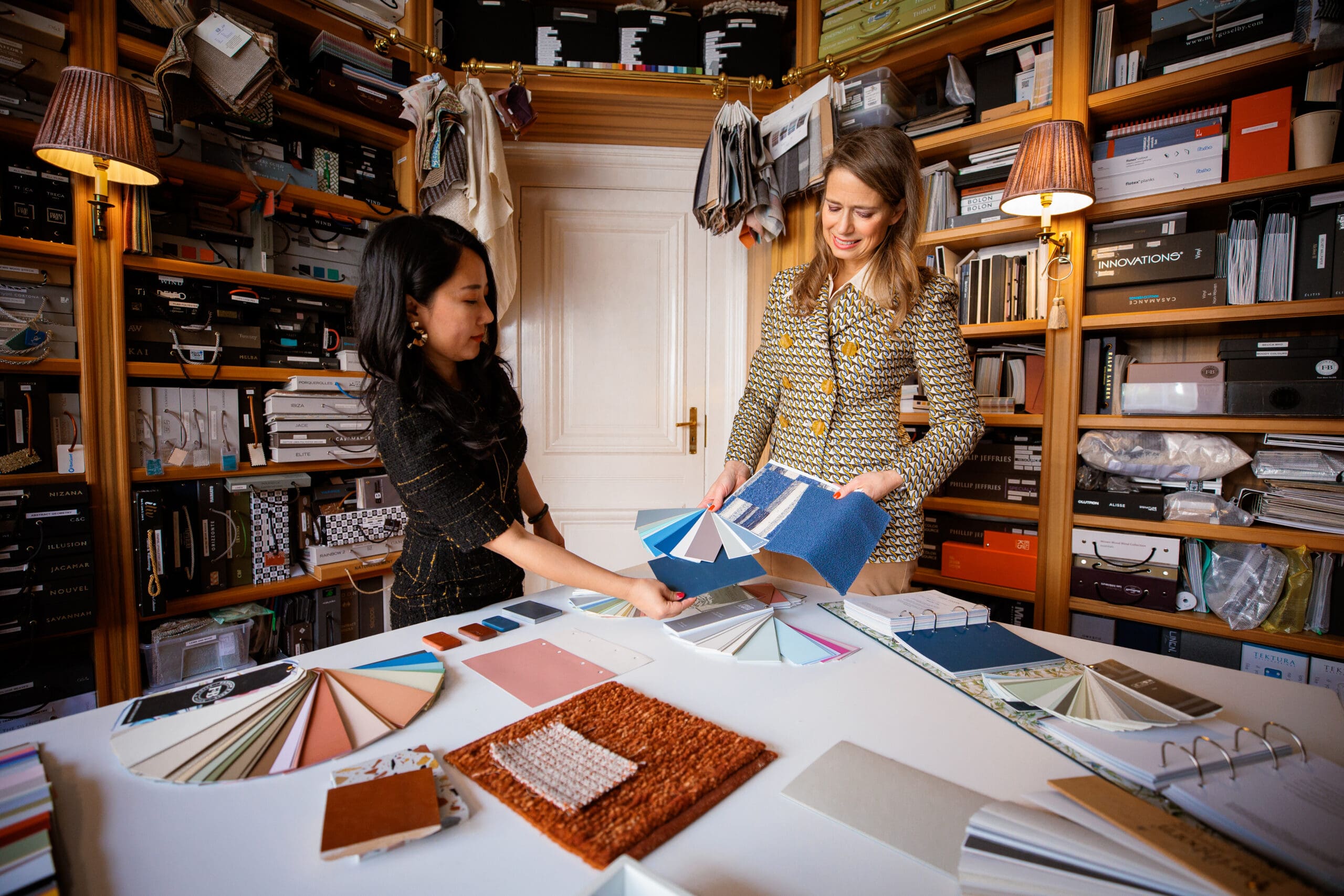
Designing or renovating a home is one of the most significant emotional and financial investments you will ever make. It is exciting, transformative, and full of possibility — but it is also complex. The truth is, exceptional interiors don’t happen by accident. They come from years of experience, thousands of micro-decisions, aesthetic and technical integration and a deep understanding of how people actually live.
At Claudia Dorsch Interiors, I believe that great design is not just about how a home looks, but how it feels — how intuitively it functions, how gracefully it supports your daily life, how beautifully it evolves with your family, and how personally it reflects your story.
Working with a seasoned interior designer isn’t a luxury. It’s a game-changing investment that elevates your project from “almost right” to effortlessly extraordinary.
1. Hiring a Visionary for Your Home
A truly successful project begins long before fabrics and paint samples appear. It begins with honesty , opening up about how you live, what frustrates you, what brings you joy, how your family moves through the house, and what you want your home to feel like at 7pm on a winter evening or during a lively summer dinner party.
My process involves listening deeply and reading between the lines. Sometimes the brief changes because a family realises what they really need while we talk. Sometimes a space reveals possibilities that the client never imagined.
My role is to see what you cannot yet see — to hold the holistic vision of the house in my mind long before it has taken shape on paper. This is where great design begins.
2. The Invisible Luxury You Feel Every Day
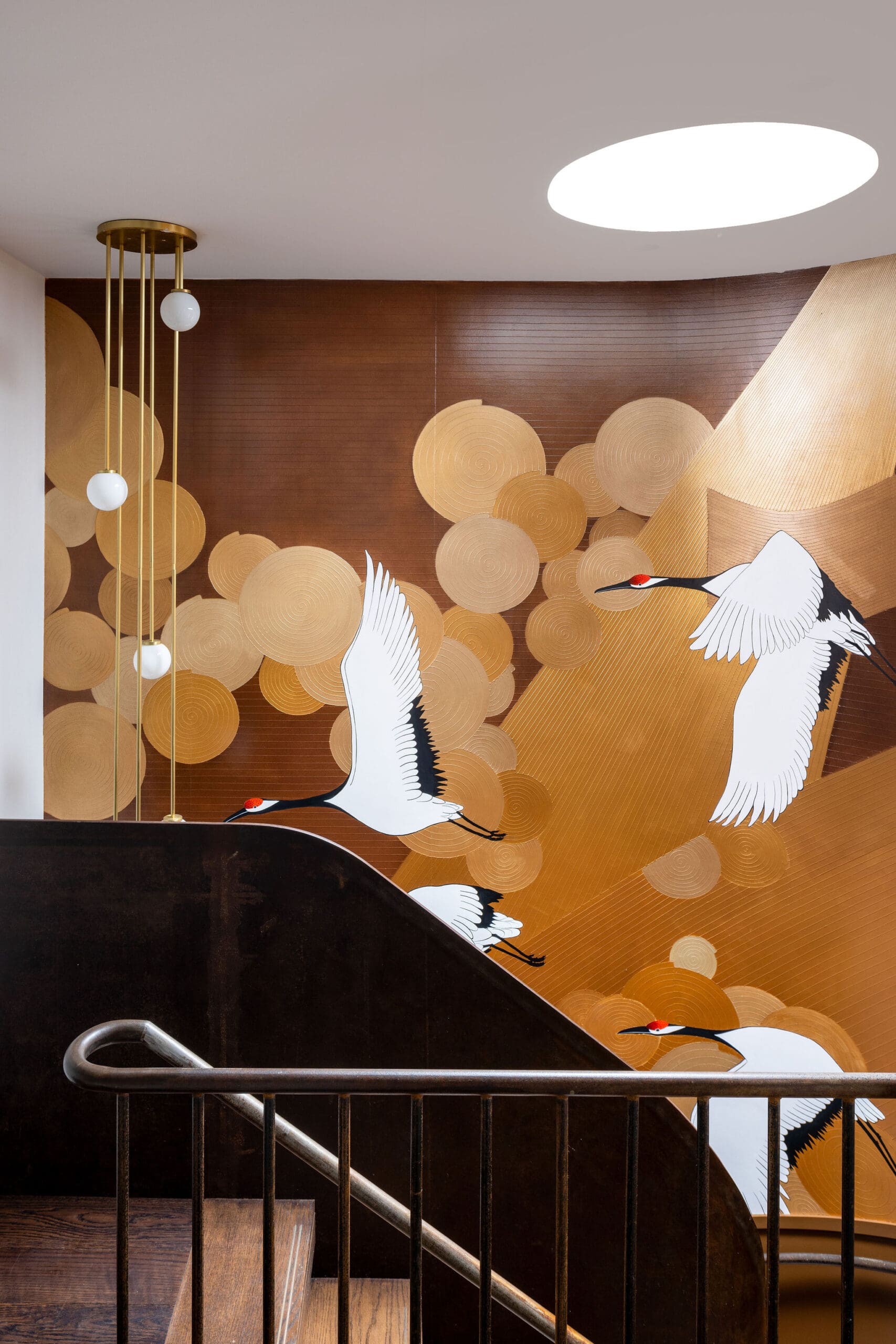
The difference between a house that works and one that doesn’t lies in space planning. It is the engineering of daily life — the thoughtful choreography of circulation, zones, flow, practicality, storage, and emotional impact. This is where my work as interior designer becomes indispensable. I ask the questions you may not know or want to ask. My design process begins with understanding: your rituals, values, rhythms. I follow a framework which I think of as the ”home soul method”: asking over an extended period of time detailed questions that help me to understand the three dimensions Soul Mapping , Taste Mapping and Space Mapping. I investigate intuitively and formally the psychology of a home, its rituals and identity. examples of the kinds of questions I explore are:
- Where should the utility room actually be?
- Does the open-plan idea really suit your lifestyle?
- How do we create indoor-outdoor flow? If we can build a pool should it be indoor or outdoor?
- If we build the basement what should we use the space for?
- Where do gym bags, muddy boots, laundry baskets, rain coats, scooters, riding gear really go?
- How long will your children do homework at the kitchen table before they transition to their rooms ? How can we design a playroom which will transition from toddler to teenage den and remain relevant and fun.
- Should the guest room double as a gym? Should we build a dedicated gym or do you prefer to go to the gym?
- Where does the dog sleep and shower?
- Where should the spices live so cooking feels joyful, not chaotic? Would you like to create a walk in butler pantry with extra sink and appliances to declutter the kitchen if this is used for entertaining?
- Where do you store your winter/summer wardrobe and your suitcases and your outdoor cushions and your extra long rolls of wrapping paper?
- Do you wish you could sleep in a totally dark room? Would you like to have air conditioning?
- Do you prefer bright rooms or cozy dimmed lights, what is your bedtime routine? Who gets up first and how does that morning routine look like for the first person to get up?
These decisions transform how a home feels every single day. They prevent costly mistakes — mistakes that become permanent irritations for decades. When space planning is done well, life flows and you don’t know it. When it’s not done well, you feel it every time you step into a room.
3. The Parts of the House You Don’t See But Always Feel
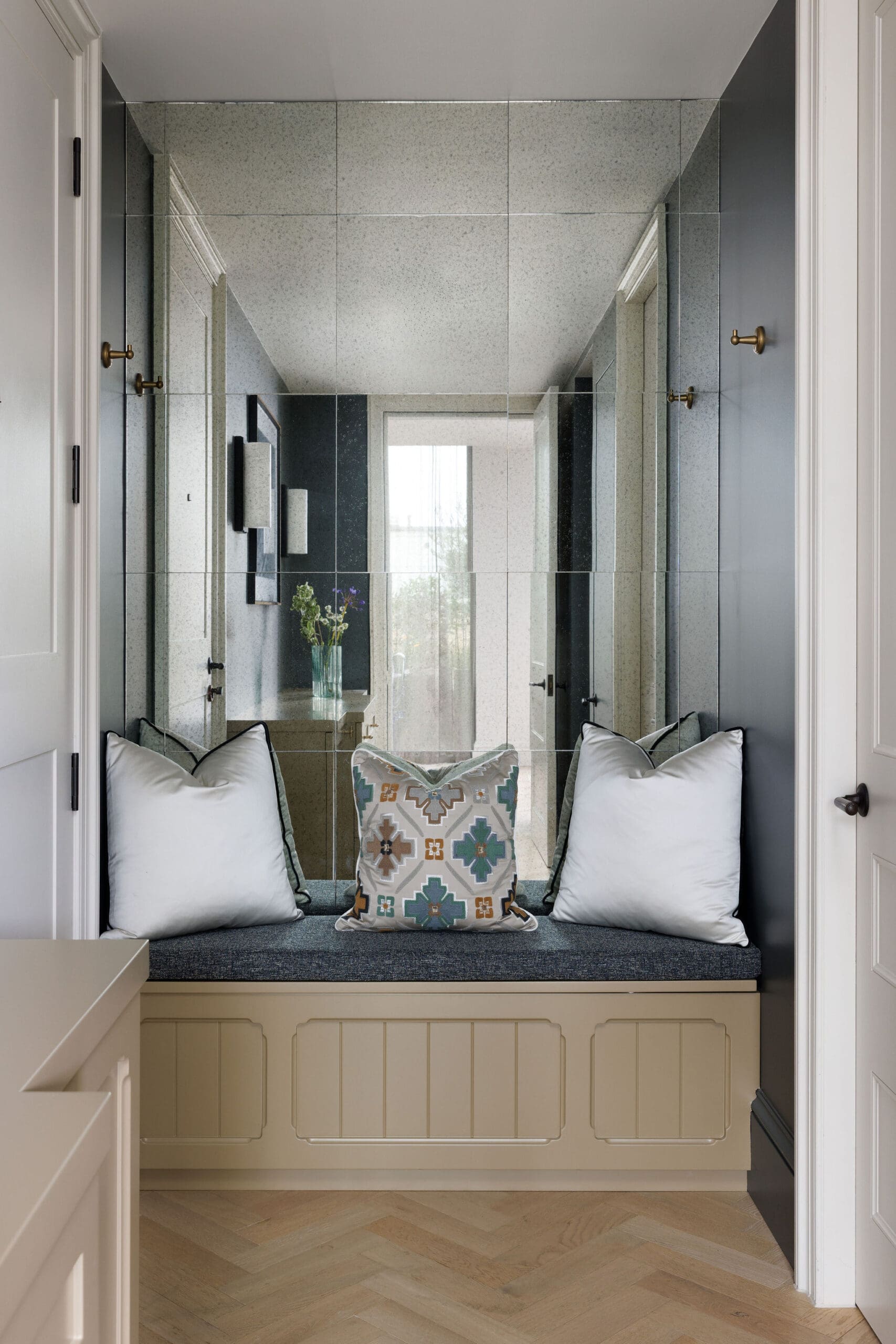
Interior design is far more than aesthetics. It is a deep understanding of the bones of the building — the fixed architectural elements that cannot be changed later without enormous cost. This means:
- Considering an MVHR system is it possible to fit? What else do we need to consider for heating, ventilation, water pressure, water softening
- Are doors and windows and stairs in the right places?
- If we moved walls could we gain better storage or better room sizes?
- Full concept for lighting , power and AV design – how much technological integration do we want or need or enjoy.
- Designing large open plan spaces for comfortable acoustics
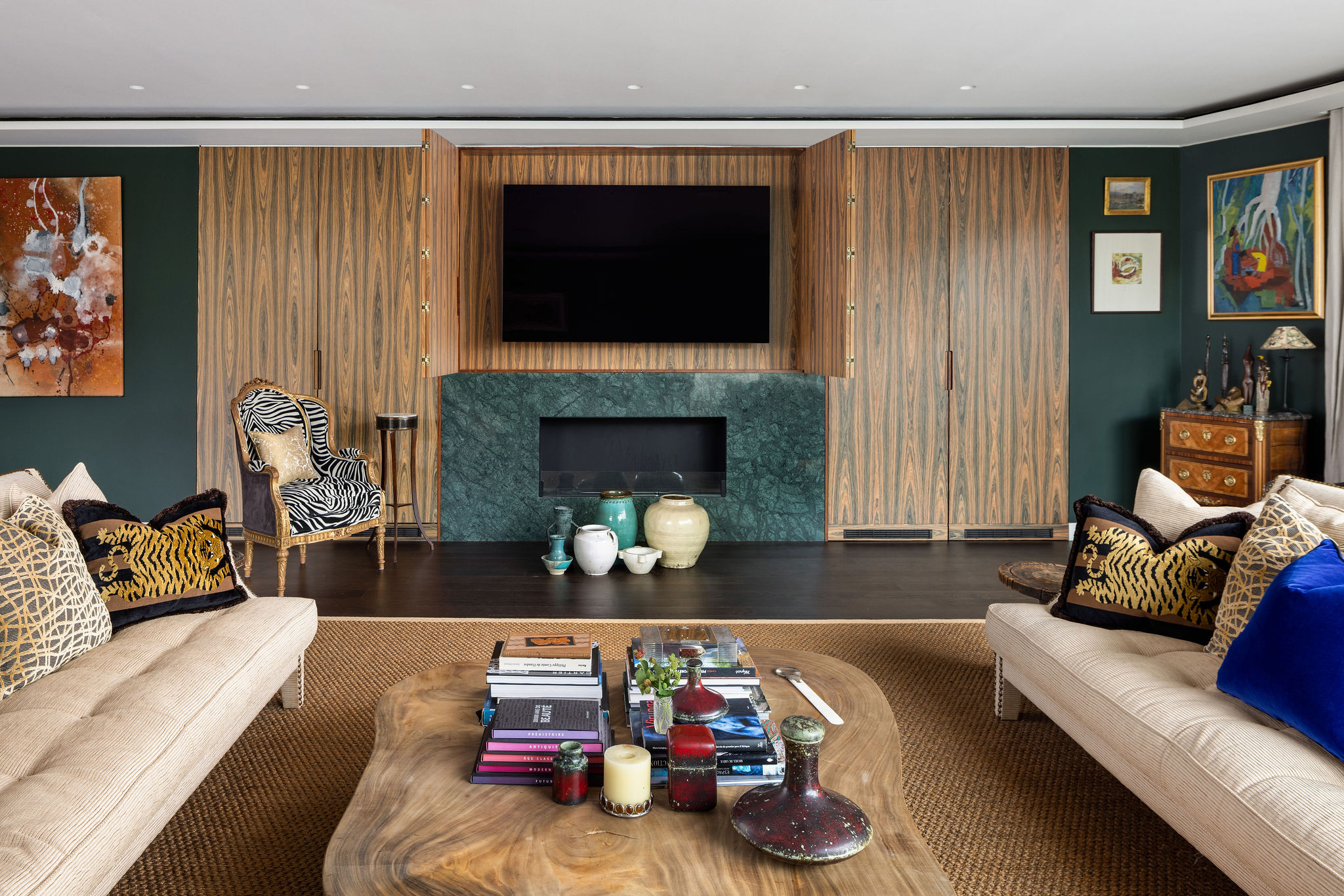
- Hiding televisions and other electronics elegantly
- Resolving complex chimney breast , coving, architrave, skirting or moulding and panelling details
- Avoiding impractical bathroom layouts and making kitchens genuinely ergonomic for the way you live and cook (who really cooks?)
- marrying architecture and interiors seamlessly
When I work with clients the question “Which sofa should we buy?” does not come up for a long time, we have so much more important work to do: I focus my energies on ‘’How do we create spaces that work effortlessly, functionally, technically, emotionally?’’
This is expertise that only comes from years in practice.
4. Turning an Abundance of Ideas Into a Soulful Design
We understand clients can suffer from visual overload, over stimulation and confusing messaging, which leads clients to creating moodboards with an abundance of images without a clear understanding what they really and why and how such ideas can translate into their home. Inspiration is abundant; clarity is not.
Our role is to analyse the images clients are drawn to, understand what makes them resonate, and determine whether and how that effect can be achieved within the property. Inspirations, questionnaires, and the agreed brief are distilled into a coherent, refined vision. Acting as a trusted adviser and guide, the process involves editing, curating, refining, eliminating, and elevating until the design feels resolved and complete. Great interiors are created through experienced editing, curious investigation, and honest communication.
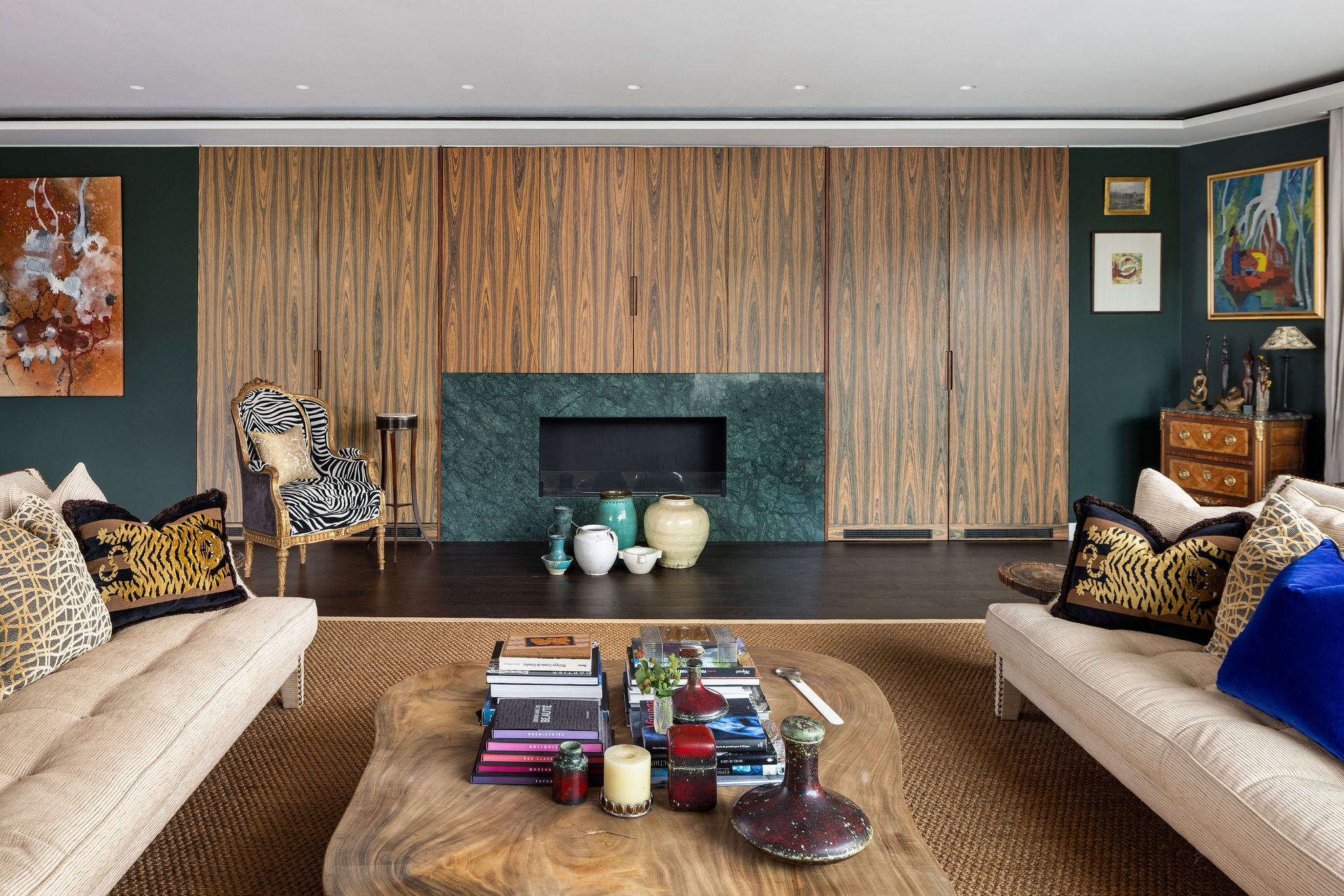
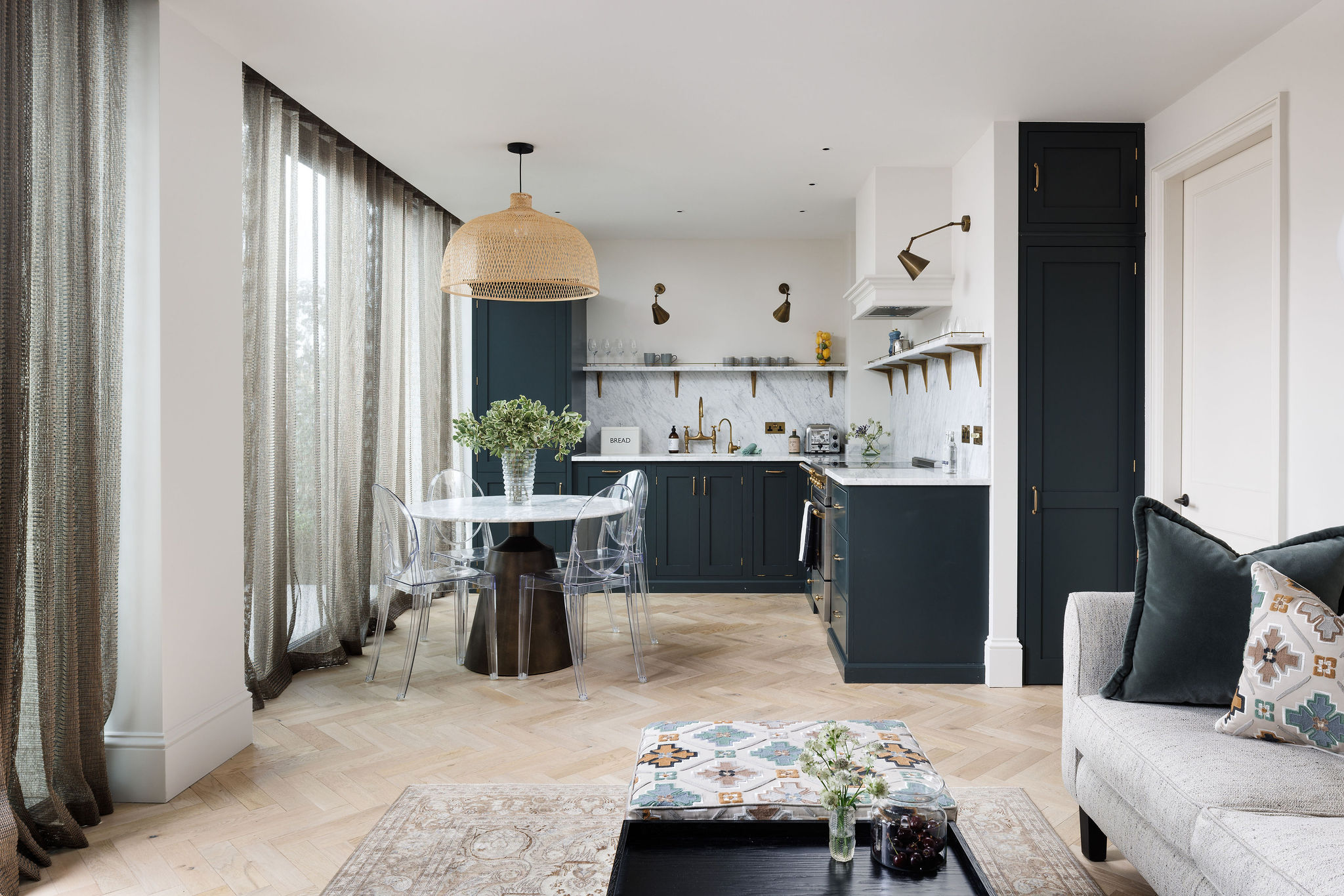
This is where professional confidence and artistic discipline matter. It’s the difference between a home that feels like hotel lobby and one that feels intentional, calm, timeless, deliberately personal and comfortable; this is what I call ‘’soulful design’’. Our work feels timeless because it responds to your setting, architecture, views, and light rather than forcing a copied look into a space.
5. Upcycling: Creativity Meets Responsibility
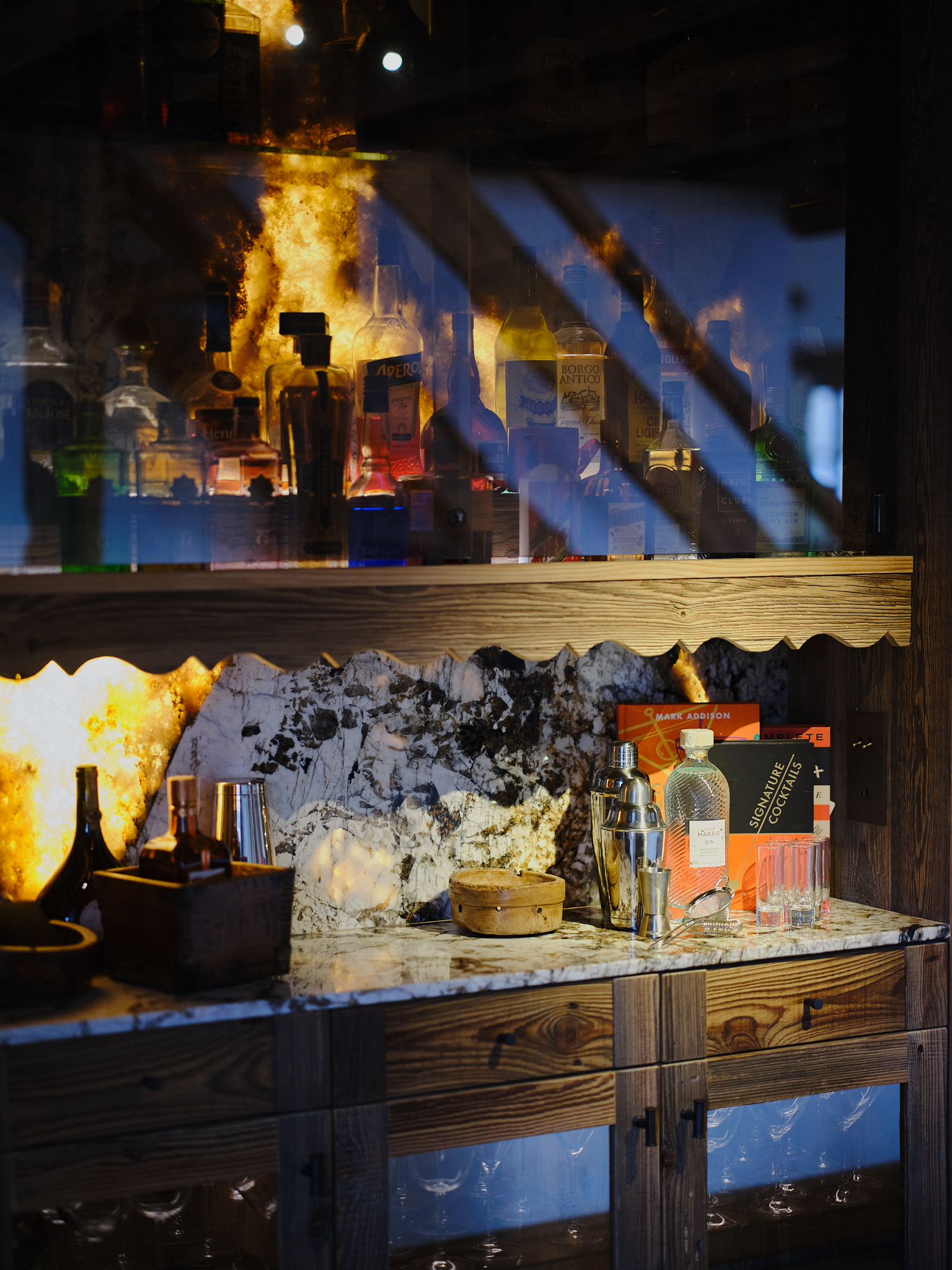
Behind every beautiful home is an invisible network of extraordinary makers, suppliers, and trades. Over nearly twenty years of renovations I’ve built close relationships with joiners who can craft bespoke pieces to millimetre perfection, upholsterers who breathe new life into vintage furniture and metalworkers who cast hardware in recycled bronze. We use plaster artists who create luminous surfaces, specialist stone suppliers and fabricators for backlit enlightenment and installers who understand mountain chalets, beach houses, and city apartments. My contact book reaches conservationists who restore antiques, embroiderers who work museums and artisans who dye fabrics naturally.
Access to these specialists is a form of luxury, I cultivate the relationship, celebrate their work and introduce them to my projects because they are often unavailable to the general public. These relationships don’t just improve the aesthetic; they ensure the home is built with integrity and excellence.
6. Sustainable Design That Feels Naturally Luxurious
Clients increasingly want homes that feel luxurious and responsible. My philosophy blends both effortlessly. This means I am reusing and reimagining existing pieces, I am incorporating treasured personal items and I will be mixing antiques with contemporary design. We have the know how and experience in choosing natural, VOC-free materials, selecting craftsmen committed to sustainability and I naturally prioritise longevity over trends. I prefer using local timbers and stones and my aim is to ensure that properties we design are built and laid out to endure for decades.
For my family I have built generational properties and I value relationships with clients who have this mindset. Where the home becomes a reflection of both your values and your taste — timeless, layered, and conscious.
7. The Chemistry That Makes the Process Beautiful
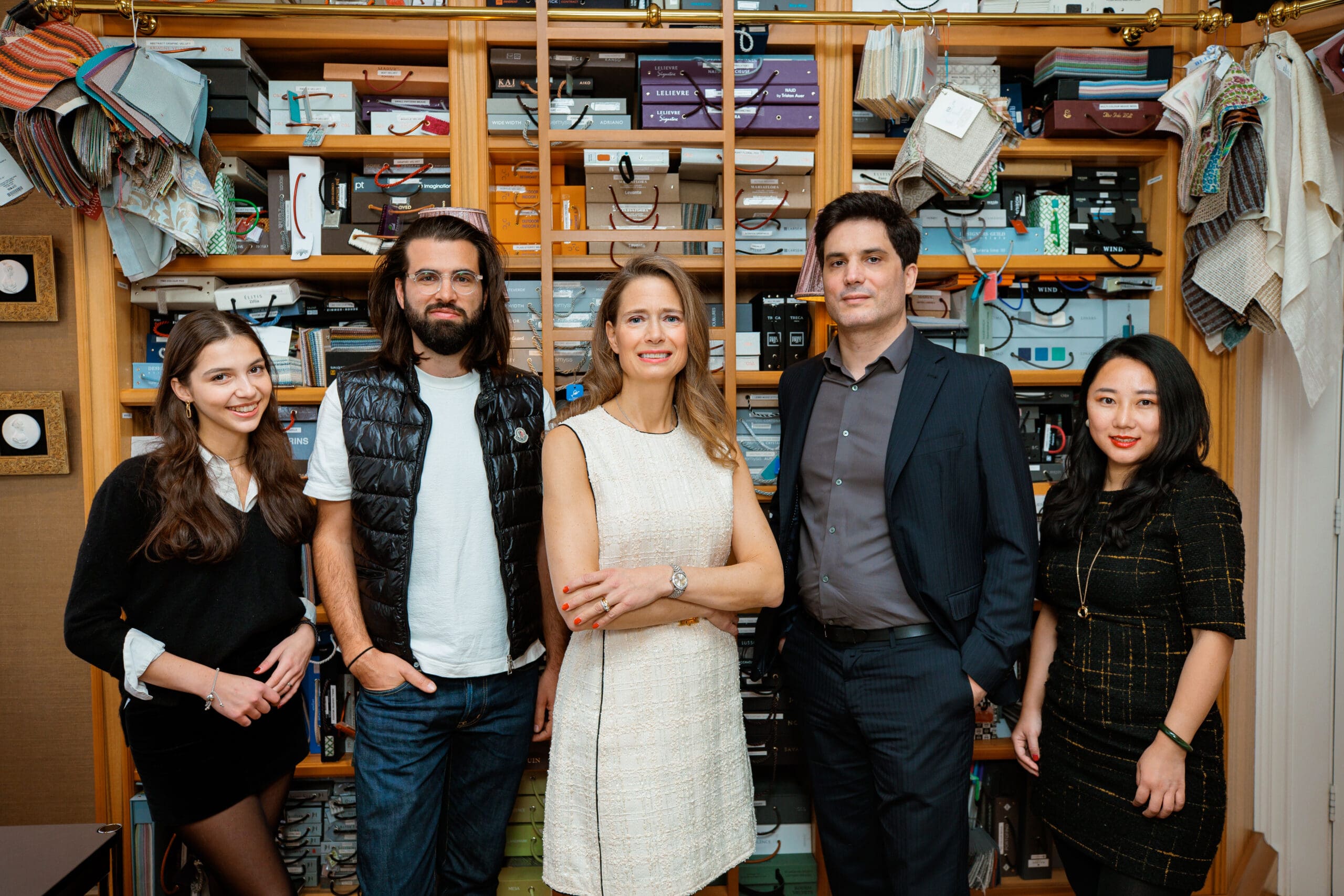
Hiring an interior designer is a relationship. You need someone you trust — someone you can speak honestly with about your lifestyle, your habits, your priorities, and yes, your budget. This honesty allows us to design a home that truly supports clients. It is a soul-bearing process at times — and it should be. As I pivoted my career from managing global pension funds into global property design I experienced first hand as a client the frustrations, worries and excitement when I designed our first family home. I bridge the relationship between client and contractors and I am acting always in your best interest, by carefully listening, sensitively interpreting, creatively inspiring, honestly challenging and treating each project with the care and dedication as if it were my home renovation.
What I offer is not just a service — it’s a partnership built on trust and joy.
With our help your home will function better, feel calmer, support your lifestyle, the process saves you time and avoids costly mistakes, the result improves resale value but really it enhances your daily life.
From finding the perfect place for an icemaker to finding space for a steam room, creating a family room everyone actually wants to use to finding a way to beautifully hide a huge television — the cumulative effect of a myriad of little decisions is transformative.
Good design matters: it improves the everyday. It turns routine into ritual, chaos into calm, and a house into a haven.
Ultimately: We Don’t Just Design Homes. We Design the Way You Live.
My role is about solving hidden problems you didn’t even know were problems, revealing possibilities you never imagined and protecting you from expensive mistakes. I will expand your ideas of what your life at home could be by creating beauty with purpose, designing for longevity, not landfill and telling your story through your space.
At Claudia Dorsch Interiors, we design homes that feel layered, soulful, deeply personal, and built to last. Homes that feel like a reflection of you — not of a trend.
Because great design isn’t surface-level.
It’s life-changing.