

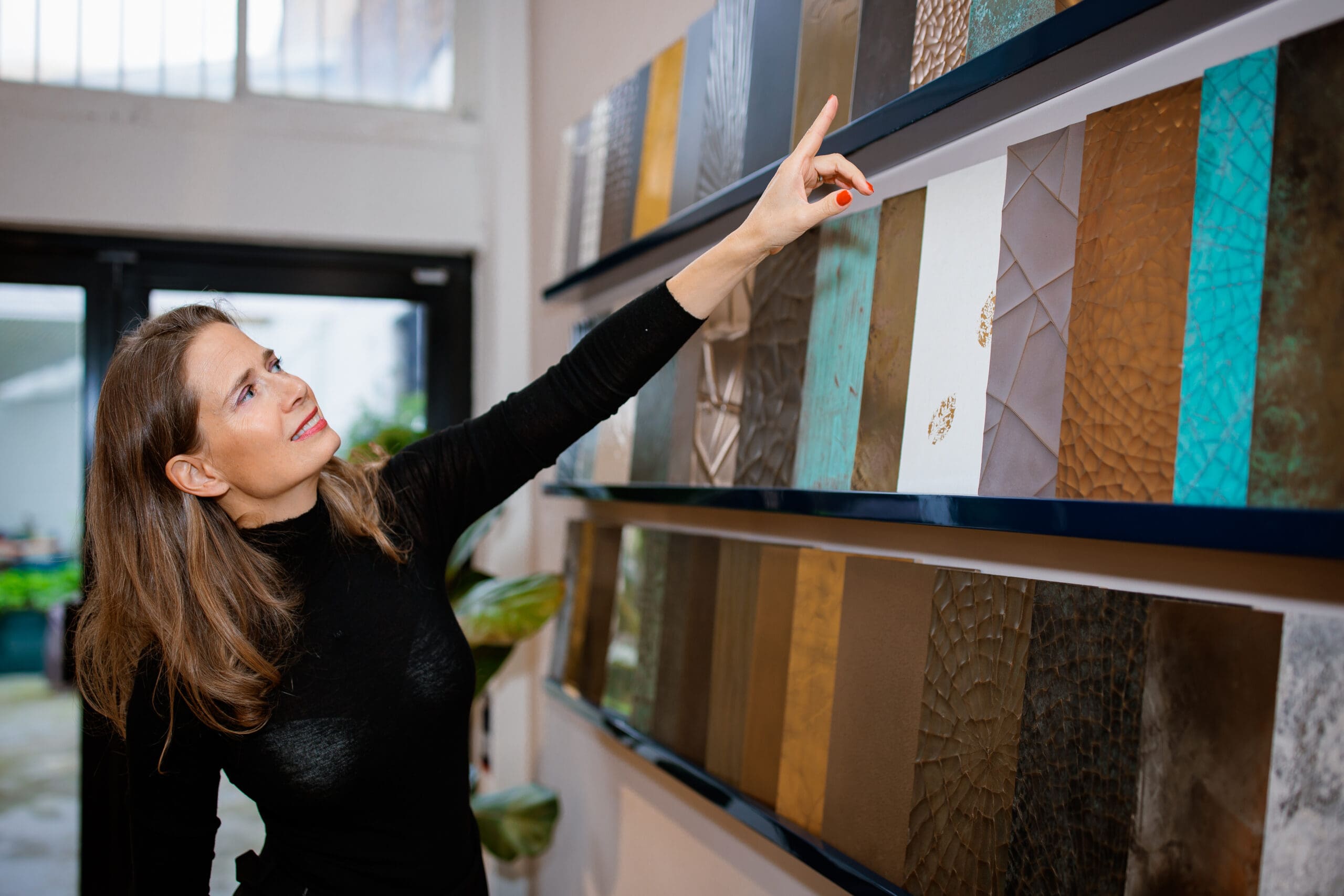
At Claudia Dorsch Interiors, we believe that creating a beautiful home is inseparable from caring for the world around us. Sustainability isn’t a trend it’s a mindset. We are committed to designing joyfully, living responsibly, and ensuring every choice we make honours both the environment and the people who inhabit our spaces.
Across chalet hideaways, London townhouses, and coastal retreats, we focus on how thoughtful decisions large and small can dramatically reduce environmental impact while elevating aesthetics. Sustainability and luxury are not opposites; in fact, some of the most timeless, atmospheric interiors are built entirely on responsible principles.
Starting with the architecture, we work with incredible practises, one such is ARCO2 with whom we are currently collaborating on a new build house in Cornwall.
A short summary of the strategies which both our teams have been working on for this project can be found here.
1. Sustainability in Architecture
A truly sustainable building is one that endures. It is designed with care, built with intention, and detailed with materials that age gracefully rather than demand constant replacement. At the very heart of sustainable architecture lies longevity. When a building is thoughtfully constructed using robust natural materials such as timber, stone, and lime plaster, it not only reduces waste over time but develops a quiet, timeless character. Simplicity in form and detailing , avoiding overly trendy gestures or fast-fading finishes means the home continues to feel right decades after it was built.
Light is equally fundamental. Designing to make the most of natural daylight doesn’t just reduce energy consumption; it enhances wellbeing and elevates daily living. We consider the strategic placement of windows to capture soft morning light or the warm afternoon glow, the use of skylights to draw brightness into central spaces, or the inclusion of courtyards and light wells that allow the interior to breathe. Good light design can even mitigate climate demands — glazing positioned for winter sun adds passive warmth, while careful shading prevents overheating in the summer months. Overhangs, shutters, pergolas, and deep window reveals all play their part in moderating solar gain, especially in south- and west-facing rooms. All of these strategies have played a direct role in the construction of the beach house.
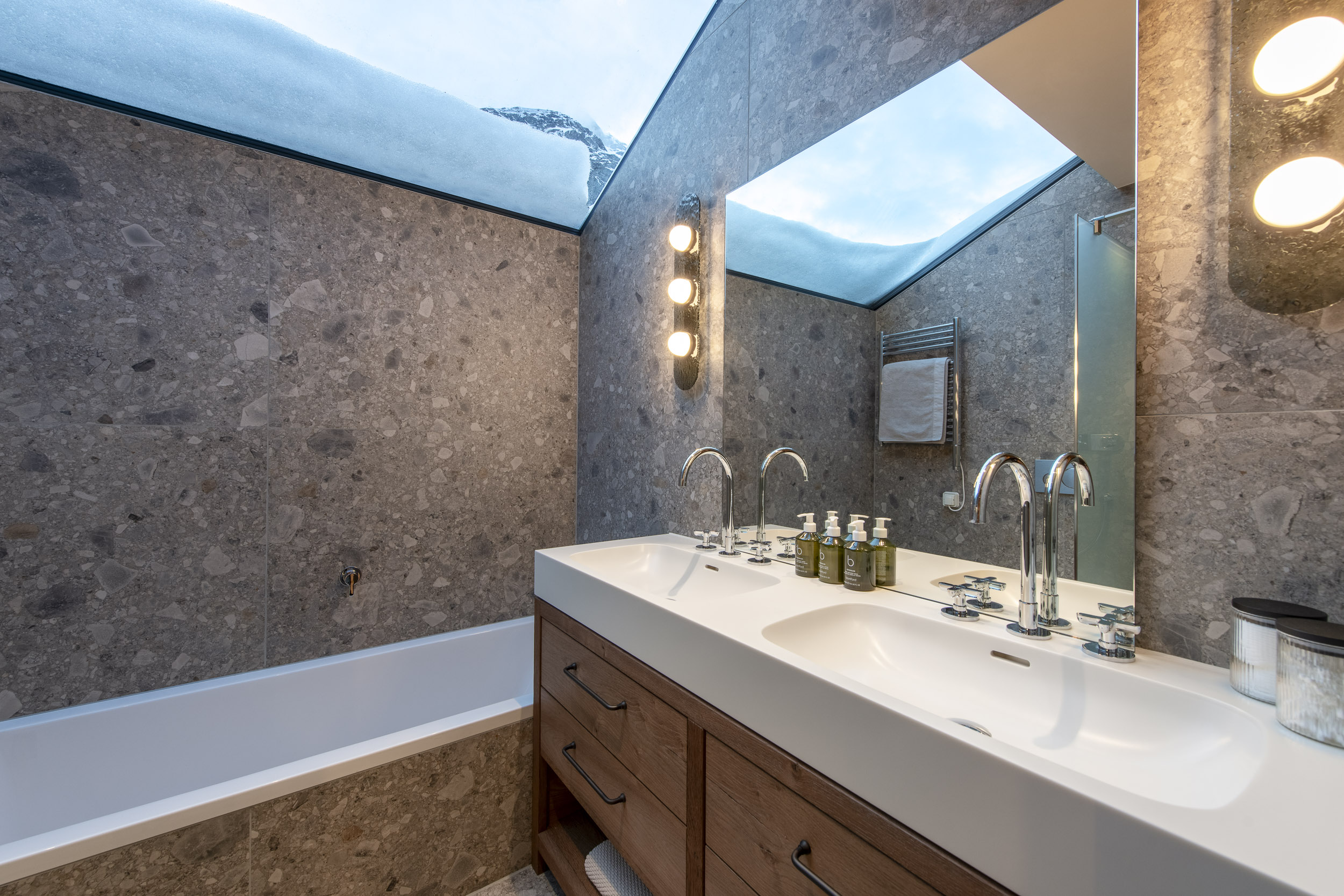
One of the most powerful ways to build sustainably is to focus on the thermal performance of the home. High-quality insulation, airtight construction, and triple glazing make a bigger environmental difference than any advanced technology. Natural insulation materials such as wood fibre, cork, hempcrete, sheep’s wool, or cellulose offer exceptional performance while maintaining breathability and avoiding the environmental burdens of synthetic foams. When the envelope of the building is carefully detailed, the home maintains a stable, comfortable temperature year-round with minimal energy input.
Material choice is another cornerstone of sustainable design. Local, low-carbon materials carry far less embodied energy and create a deeper connection to place. Stone, clay, and brick sourced regionally offer durability and authenticity; timber from certified forests provides structural strength with a light carbon footprint; and lime-based renders and plasters allow walls to breathe naturally. In our Cornwall beach house build we incorporate local and reclaimed materials — not only for their sustainable credentials but for the richness, texture, and story they bring to the home.
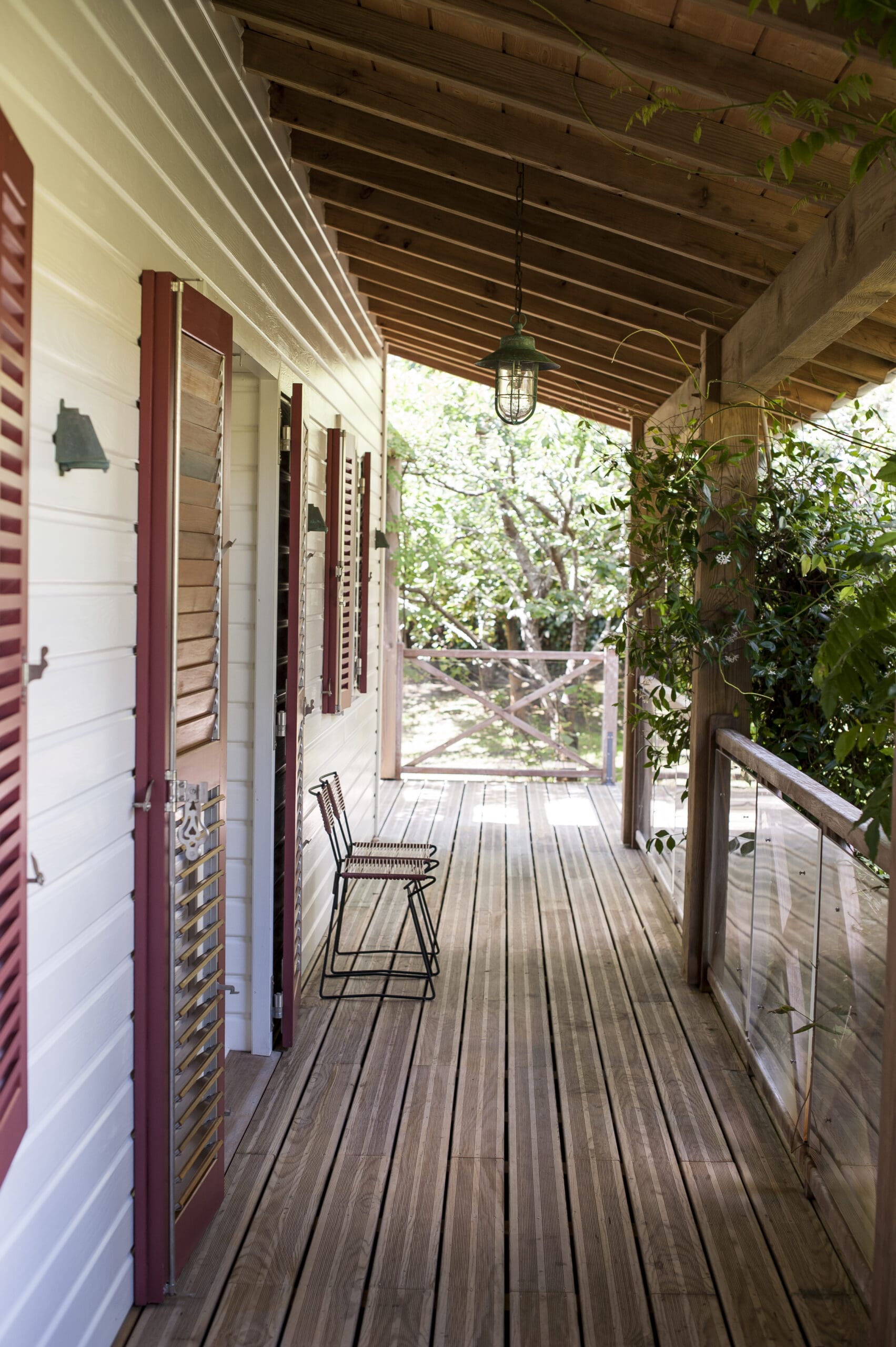
Passive heating and cooling strategies were integrated from the earliest stages of design. Cross-ventilation, high ceilings, stair voids that draw warm air upwards, shaded terraces, and the strategic use of thermal mass can all reduce dependency on mechanical systems. In colder climates, south-facing windows and Trombe walls collect heat naturally, while in warmer settings, operable shutters, louvres, and shaded courtyards keep interiors effortlessly cool. Architecture has worked with climate for centuries; modern sustainable design simply refines these age-old principles with contemporary understanding.
Flexibility and adaptability are also essential to sustainable living. Homes that can evolve with their occupants reduce the need for future demolition, reconstruction, or extensions. By designing non-load-bearing internal walls, incorporating generous circulation, and planning for future lifestyle changes — including ageing in place — we allow buildings to adapt gracefully over time. This is particularly important in family homes, where needs shift from nursery to study to guest suite across the decades. We adapted the structure of the entire property to allow for wheelchair use and build central lift to connect the two floors effortlessly.
Water, increasingly precious, is another area where architecture can make a profound difference. Rainwater harvesting, permeable landscaping, on-site filtration, and greywater reuse systems allow homes to operate more independently and ecologically. In garden design, native planting, wildflower meadows, and drought-tolerant species reduce irrigation needs while enhancing biodiversity.
Green roofs and living walls bring sustainability and beauty together with poetic effect. The Cornwall house will feature a planted roof -this insulates the building, absorbs stormwater, reduces heat islands, and blends the architecture into its surrounding coastal cliffs. Living walls improve air quality, increase biodiversity, and soften urban structures with vertical greenery. These elements make sustainability visible and experiential, not just functional.
Renewable energy systems can be seamlessly integrated into architecture when considered from the outset. Photovoltaic roof tiles, solar thermal water heaters, ground or air source heat pumps, geothermal loops, and battery storage rooms can be designed into the building’s form rather than added as an afterthought. These technologies reduce long-term energy demand and can significantly lower operational carbon emissions. We are using these strategies currently in Cornwall , France and Frankfurt in our projects.
Structural choices also carry significant weight. Once we can reveal the images, you will see the use of cross-laminated timber (CLT) aka glulam beams which hold the formidable roof shape. These beams together with recycled steel provide strong, low-carbon alternatives to traditional concrete-heavy construction. Where concrete is necessary, low-carbon mixes using recycled content or supplementary materials dramatically reduce embodied carbon without compromising performance.
Healthy indoor air is another hallmark of sustainable architecture. Natural ventilation, stack ventilation, ventilation chimneys, and operable windows placed high and low maintain fresh airflow. Avoiding toxic adhesives, solvent-based paints, and synthetic finishes creates interiors that feel calm, breathable, and restorative.
Finally, sustainability extends far beyond materials and technology — it also lies in the hands of the people who build. Choosing contractors and consultants who prioritise responsible construction methods is one of the most meaningful decisions and this is where our collaboration with ARCO2 has been eye opening. Teams who recycle demolition materials, minimise site waste, source responsibly, and implement environmentally considerate methodologies bring integrity to the entire process.
When architecture harmonises longevity, natural materials, intelligent light, passive performance, and responsible craftsmanship, sustainability becomes effortless. It becomes a way of designing that feels intuitive, uplifting, and aligned with how we want to live — in spaces that honour the planet, nurture our wellbeing, and endure for generations.
2. Materials are the heartbeat of every design.
They are the surfaces we touch every day, the textures we move through, the quiet storytellers that set the emotional tone of a space. When chosen with intention, materials don’t simply decorate a home, they define its longevity, its atmosphere, and its environmental footprint. Sustainable design requires good material choices. Natural, durable, responsibly sourced materials not only live longer and perform better, they also age gracefully, reducing the need for replacement and waste. Over the years, working across city townhouses, alpine chalets, and coastal retreats, I’ve learned that materials are both science and poetry. Their sustainability is measured not only in carbon footprint, but in how they live and evolve within a home. I will tell you about some of my favourite materials — timeless, tactile, and deeply responsible choices for today’s interiors.
Stone: Nature’s Most Enduring Artwork
Natural stone remains one of the most sustainable, long-lasting materials available. No two pieces are alike — every slab is a geological artwork created over millions of years. Whether marble, granite, quartzite, soapstone, limestone, stone offers a highly durable surface that can outlive generations.
For attention grabbing beauty in city homes I often turn to quartzite. Stronger than granite, as luminous as marble, and available in extraordinary natural colours — emerald greens, blush pinks, smoky violets — quartzite makes a kitchen island or bathroom vanity feel sculptural and bespoke. Its durability means you will never need to replace it, making it a genuinely sustainable investment.
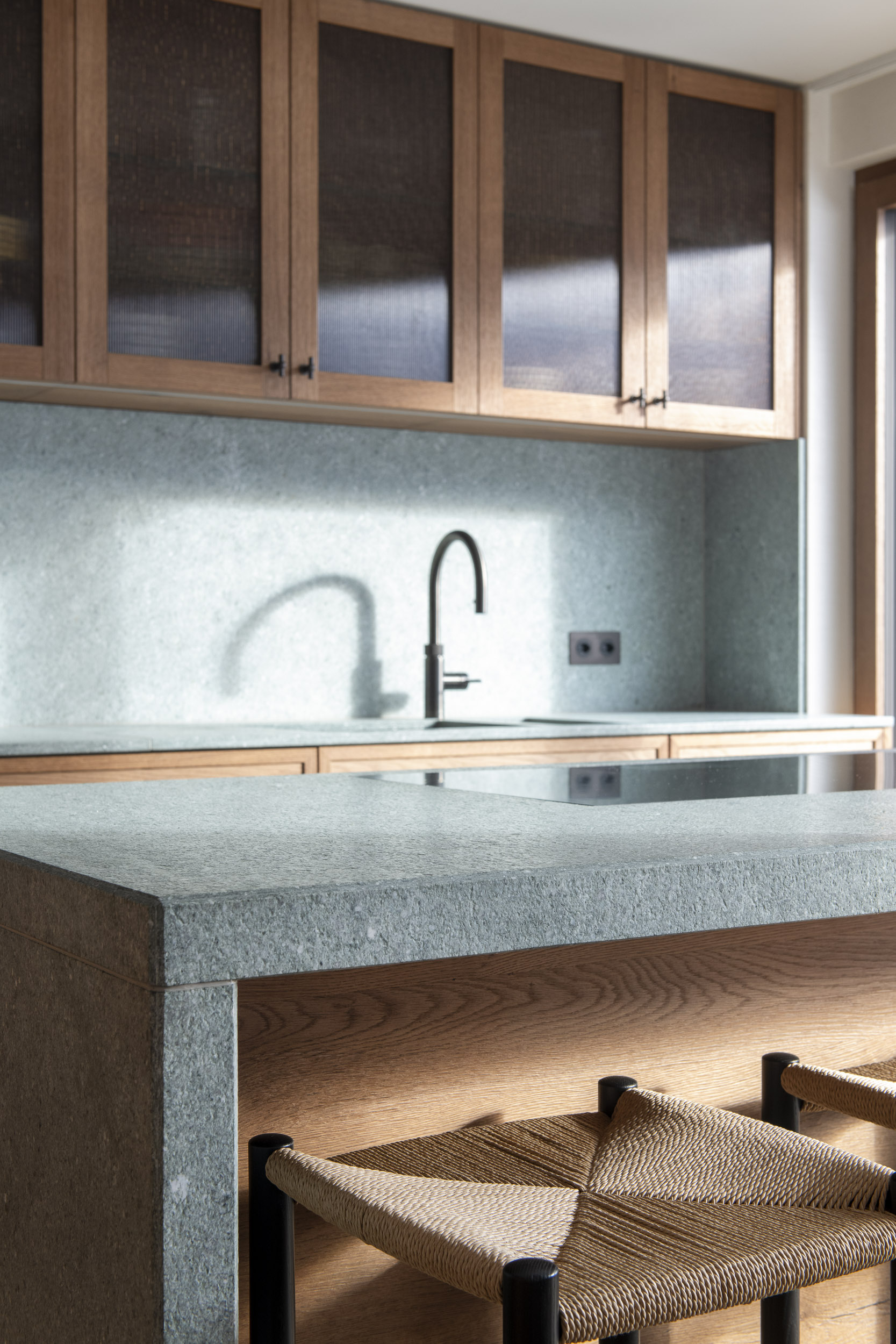
For chalets I often work with the understated, raw beauty of granite , they bring reliable resilience and gentle, organic charm. A granite counter can withstand decades of use with barely a mark — a quiet reminder that sustainability often lies in longevity. I have used wonderful green local granite in the Swiss chalets.
Limestone, travertine and soapstone is softer and moodier, its velvety surface deepening with age. Its patina is not damage — it’s character. I love using it in coastal beach homes where subtle muted greys, sand tones and greens add atmosphere and sophistication.
Stones require sealing and regular maintenance but they can always be repaired and their signs of age add to the story of the property, making stones both sustainable and soulful.
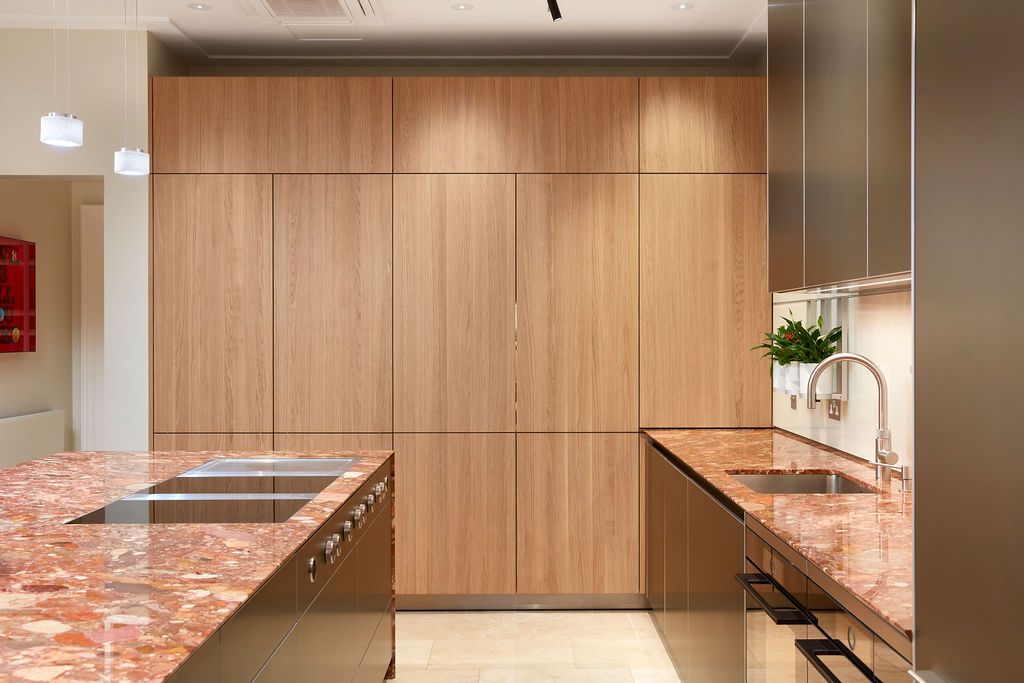
Timber: Warmth, Craft, and a Connection to Nature
Timber is perhaps the most emotionally grounding material in a space. It carries the warmth of nature directly into the home, softening sharper architectural lines and creating an immediate sense of calm. In our city projects I often work with British timbers like oak, pine, cherry, maple — not only for beauty but for their lower transport footprint and connection to place. Pairing light and dark woods creates a richness that feels both contemporary and timeless: walnut with oak, cherry with maple, each combination adding depth and visual harmony.
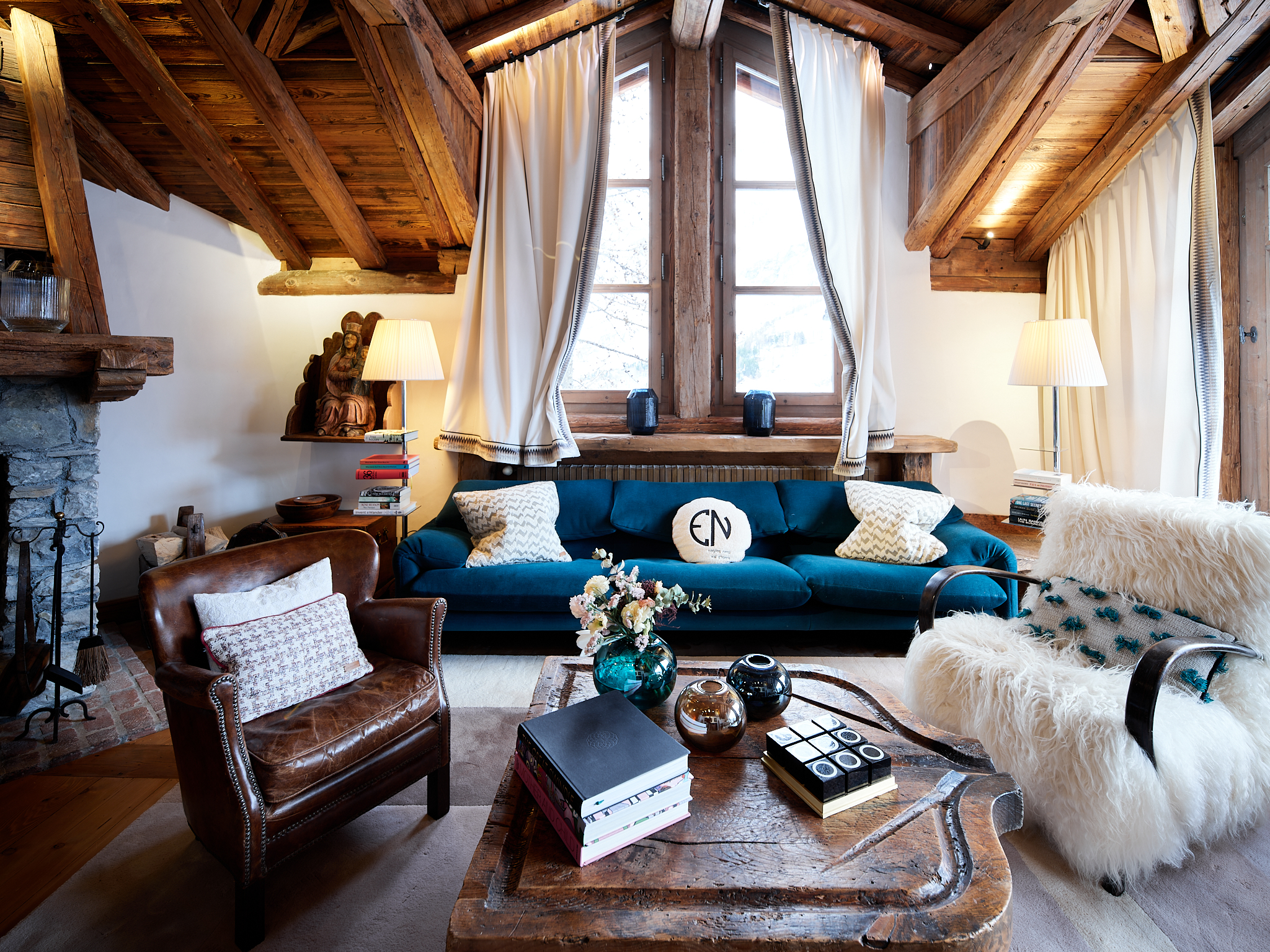
In my chalet interiors we work with local rustic soft timbers such as pine, fir, larch and spruce, but also the higher grade oak, walnut and chestnut. But also in many instances we use reclaimed local timber which gives an additional dimension of alpine rustic charm.
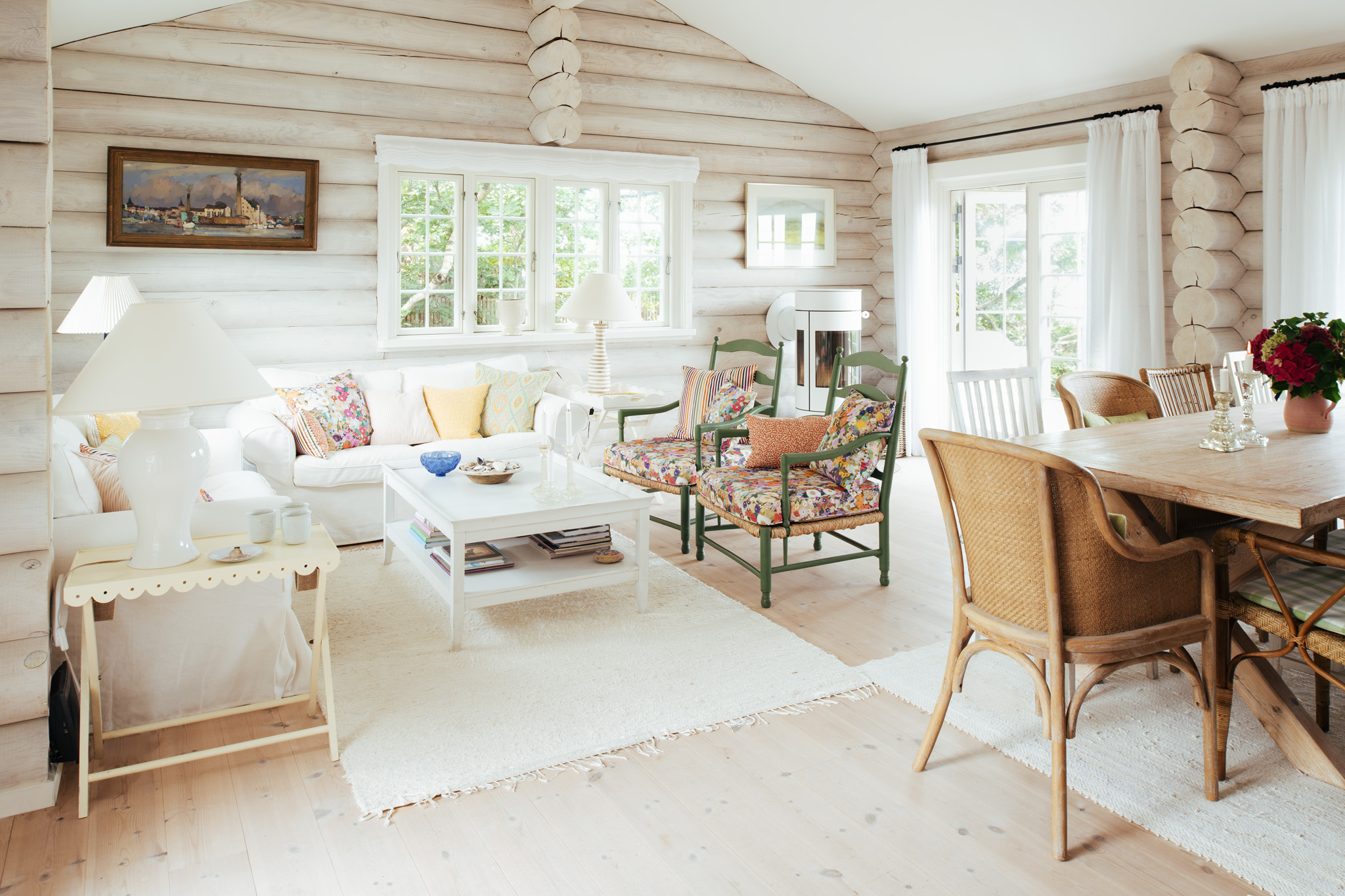
For the beach I work with oak and pine, mostly bleached and white oiled or painted to exude the pared back, casual, breezy impression of many coastal regions or I might stain the beams very dark chololate to evoke the exotic feeling of Indian or Carribean interiors.
For finishes, I prefer natural oils and low-sheen varnishes that respect the grain rather than masking it. High-gloss timber can feel artificial; soft finishes allow wood to breathe and age as it should.
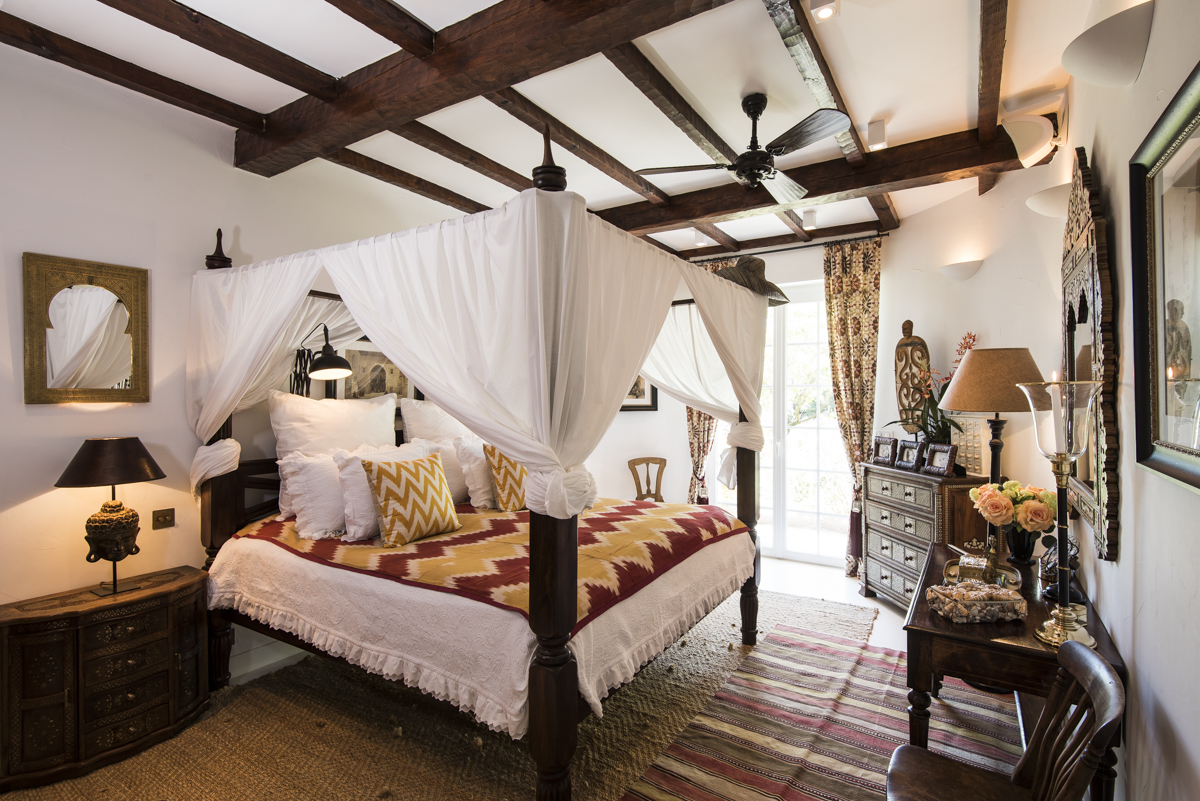
Clay and Plaster: Earthy, Honest, and Low-Impact
I like pigmented clay and natural plasters not only for their beauty but for their sustainability. They are made from earth, pigment, and water nothing more. No chemicals, no plastics, no VOCs. These finishes breathe with the home, regulating humidity and improving air quality. Their matte, tactile surfaces shift subtly with daylight, creating a quiet, grounding intimacy.
Pigmented clay, in particular, feels alive. Its earthy tones and hand-applied texture bring an artisan quality that modern paints cannot mimic. Whether on full-height walls or as an accent niche, clay finishes create warmth, authenticity, and a tangible connection to natural materials. I currently work with Bauwerk paints and Luna rockplaster which give a beautiful and natural finish.
Textiles: Softness, Comfort, and Responsible Luxury
Textiles provide the final layer of emotion in a room and I spend a great deal of time and research into selecting the right materials for each project. I particularly like natural fibres such as wool, linen, mohair, hemp, jute, and organic cotton but I also realise that the addition of some amount of synthetic fibre (especially reclaimed) can improve the look, durability and performance of textiles.
I am very fond of handwoven or hand knotted rugs and wool throws – these pieces add tactile comfort while supporting responsible agriculture and craftsmanship. Many natural textiles are biodegradable, low-impact, and healthier for indoor air quality. Choosing organic , recycled or responsibly sourced fabrics reduces chemical exposure and supports ethical supply chains — a quiet but powerful sustainability choice.

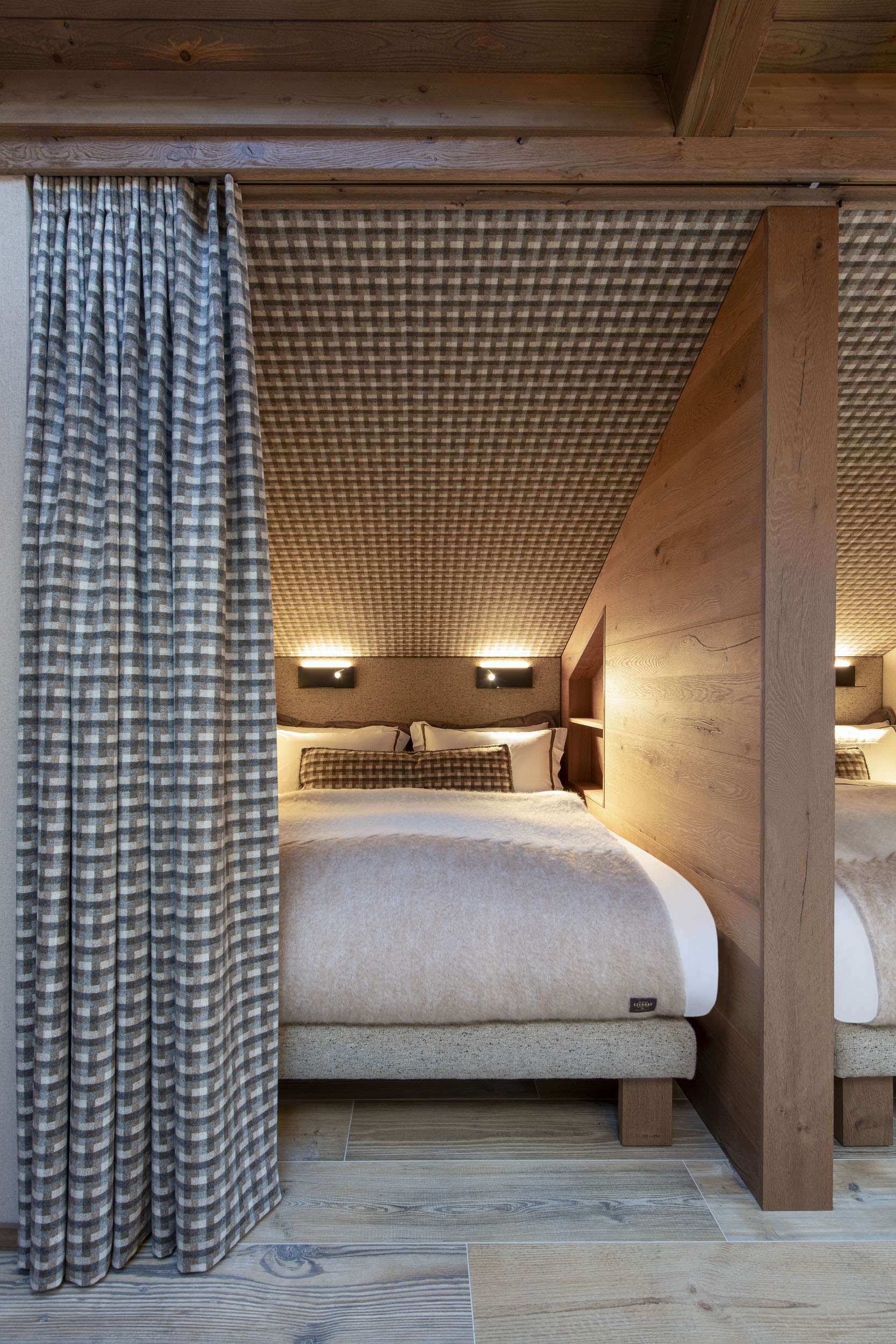
How Materials Create Harmony Together
The true artistry in materials lies in how they meet. Pairing honed marble with warm oak, soapstone with brushed brass, clay plaster against smooth walnut — these juxtapositions create depth and resonance. Materials gain meaning through contrast. One of my favourite approaches is to balance warmth and coolness: the quiet glow of timber against the polish of stone, or the softness of wool against the earthy roughness of clay. These combinations feel layered, intentional, and beautifully human.
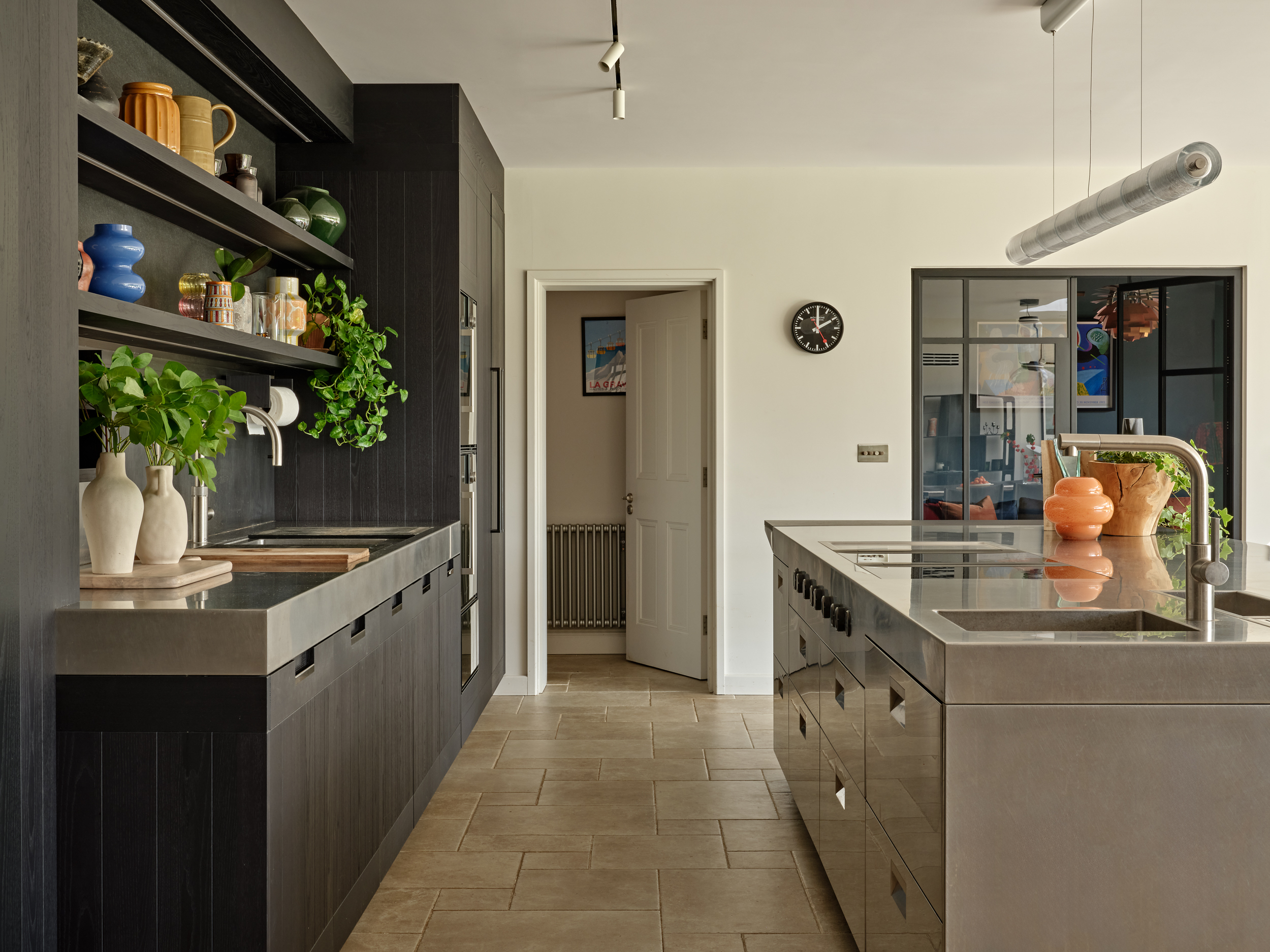
The Beauty of Ageing Well
Perhaps the most sustainable quality of natural materials is their ability to age gracefully. Quartzite glows as brightly in twenty years as the day it was installed. Soapstone softens into a silky patina. Timber deepens in tone and tells the story of a life lived.
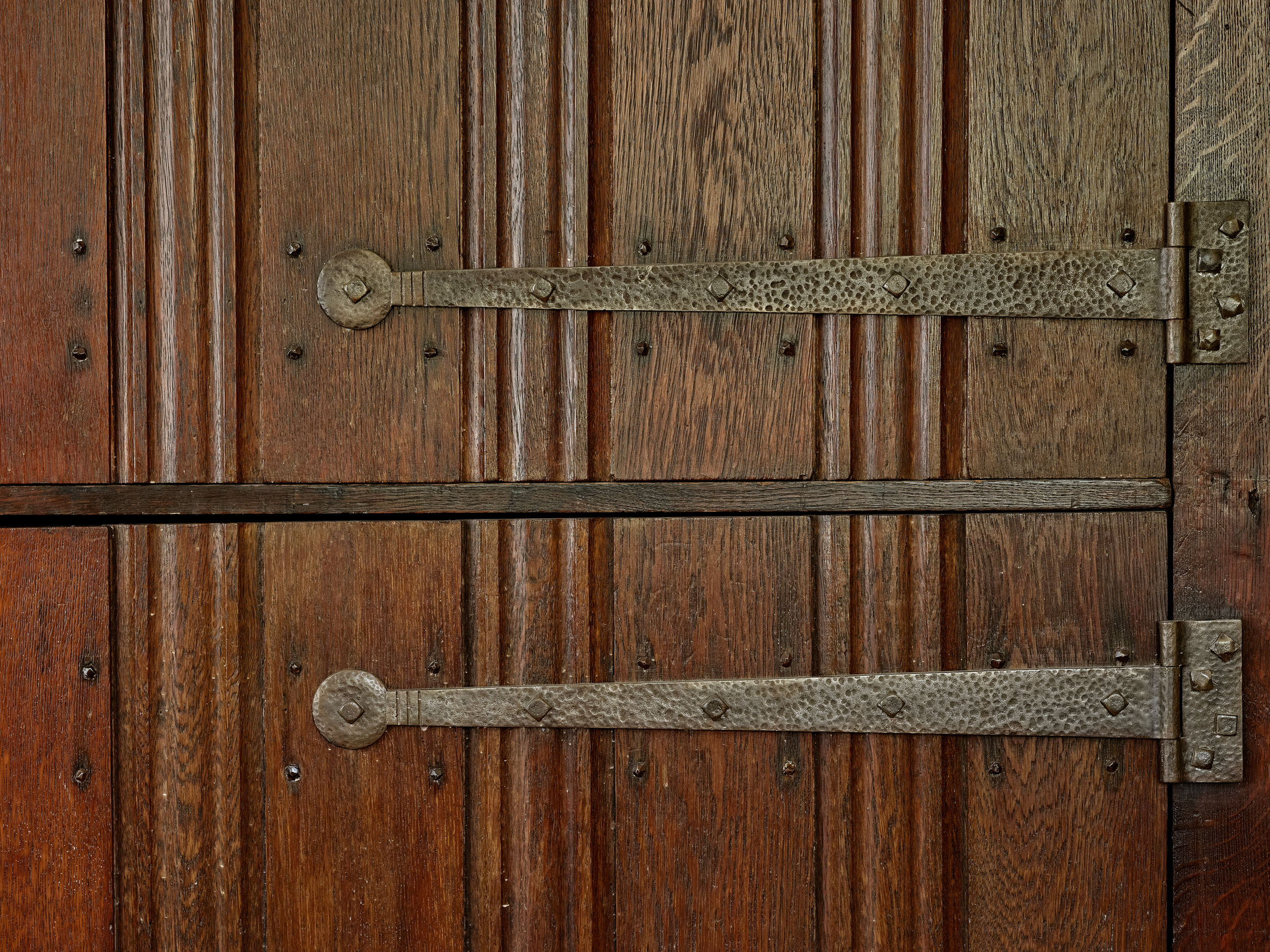
Sustainability is, at its core, about longevity , choosing materials that become more beautiful with time, rather than needing to be replaced. Natural materials invite you to live with them, to let them evolve, to embrace their imperfections as part of their charm. These are not just design choices; they are lifestyle choices. They shape how we live, how we feel, and how gently we tread on the planet.
3. Choose Antiques: The Most Sustainable Furniture on Earth
Antiques remain one of the most environmentally responsible decor choices you can make. They require no new production, no new resources, and no carbon footprint beyond transportation — and yet they bring unparalleled charm. When we purchase an antique chest of drawers, an Art Deco chair, a Regency mirror, we are recycling in the most elegant way possible. Every antique saves a new product from being manufactured. I particularly appreciate the craftsmanship which I find in pieces from past eras, they were built to last. Many antiques are made from hardwoods, using traditional joinery skill , artisanship that simply doesn’t exist in mass-market furniture today.
How we use antiques in our projects
I propagate uniqueness and soul in my interiors. An antique instantly elevates a room. Imperfections become character. Patina becomes history. No two pieces are alike — and that individuality makes interiors feel curated and lived in.
In Alpine chalets, we often blend rustic antiques with modern upholstery. In London homes, we mix 19th-century furniture, I regularly source pieces of French, Italian, German, Scandinavian or English origin and mix these with contemporary iconic pieces for contrast. In coastal spaces, I like mixing bleached woods, dark hardwood and vintage rattan to create memorable experience that exude soft, bohemian casual ease.
The results looks timeless: depth, storytelling and authenticity without waste.
4. Smart Sourcing Online: How to Shop Sustainably
Online marketplaces like eBay, Vinterior, and 1stDibs are extraordinary sources for pre-loved treasures. Here are my top tips for sourcing successfully online or at auctions:
- Be specific with keywords. “Mid-century oak dining table,” “Vintage Murano lamp,” “Antique mercury mirror” — specificity reduces scrolling and increases quality.
- Vet the seller. Strong reviews, clear photos, and detailed descriptions are essential. Don’t hesitate to message for provenance, condition reports, or additional images.
- Look for restorers & craftspeople. Many sellers refinish or repair pieces in-house. This blends sustainability with bespoke tailoring. I often send pieces directly from the vendor to my workshops to be refinished, painted or covered.
- Consider local searches first. Reducing shipping distance significantly lowers carbon output and your shipping costs.
- Most importantly: check your space and dimensions very carefully, measure, draw the position of objects with the proposed size into the space. Scale and proportion can easily be misjudged, ask for additional fotos and dimensions and test your space, do not buy on impulse! Especially for chandeliers I have built mock ups from card board and suspended from ceiling in order to better visualise the pieces, if you cant see them in reality it can be hard to fathom their size.
5. Upcycling: Creativity Meets Responsibility
I love upcycling and have been doing this unconsciously for decades. I used to repaint furniture from skips, took old chandeliers to be regilded, polished candle sticks to discover they were real silver, recut old fabric to make new cushions. This is both eco-conscious and wonderfully imaginative, creative. It turns forgotten objects into functional works of art. Here are some more of my ideas that you can try.
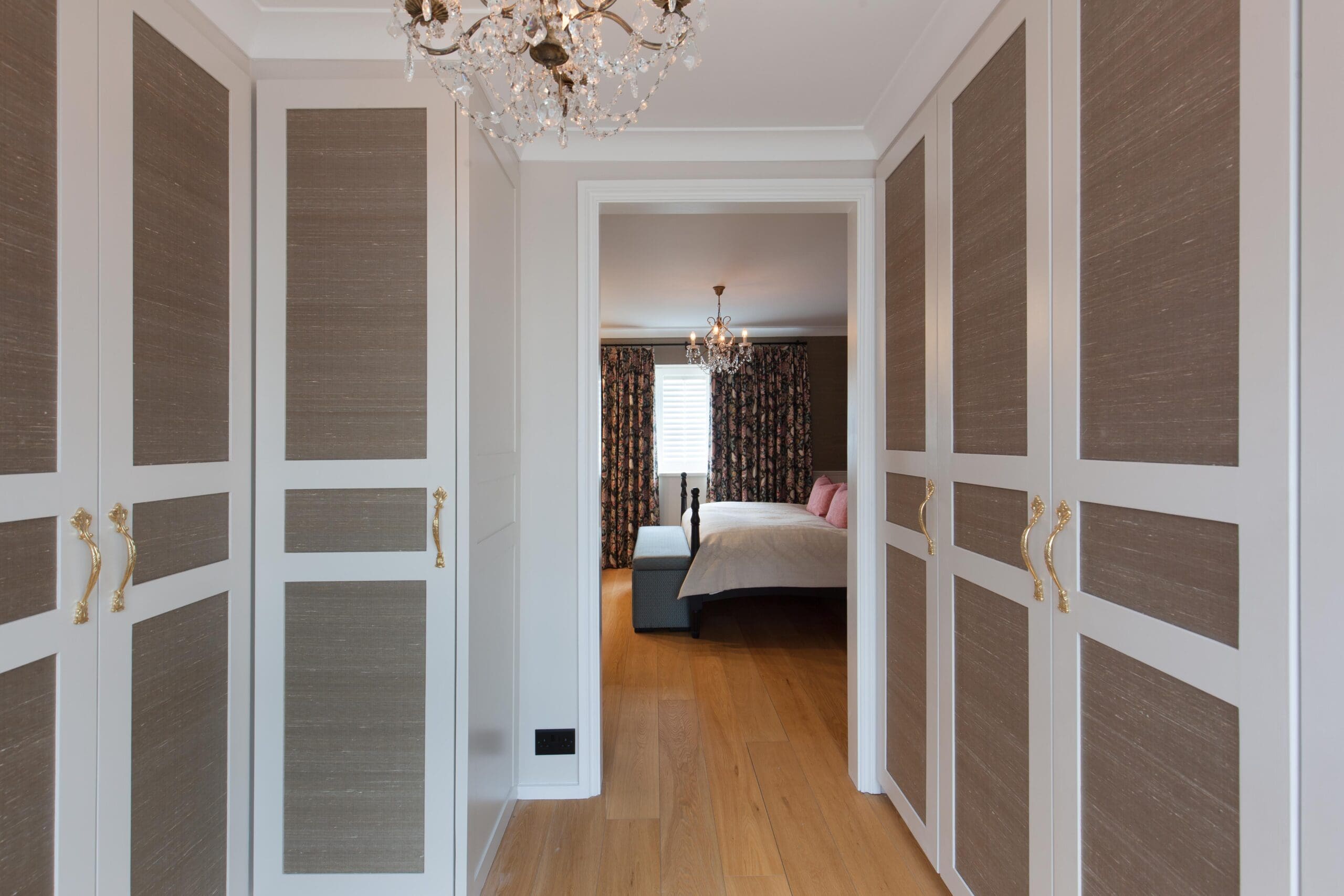
Revive your furniture. Sand and then repaint an old dresser in a rich lacquer. Especially wood furniture which doesn’t have a nice tone or has a terrible glossy surface, sanded and painted it will be totally different. You can line the inside with wallpaper and then paint with lacquer. Reupholster vintage chairs in vibrant textiles. There are many old pieces of wood framed seating which will have an entirely fabulous new life once recovered. One of my favourites is to source online beautiful old hardware and attach this to a tired cabinet, wardrobe or drawer.
Reclaimed decor materials. We have used vintage suitcases as side tables, old doors turned into headboards, wooden crates became shelves, antique frames hung refilled to make a statement mirror. Many times I will recover existing joinery with luxurious silk wallpaper, leather, textiles or mirror glass in order to save the solid wood interiors.
Fabric artistry. I have piles of carefully color sorted leftover fabrics and every now and then I make some wonderful mixed cushions. When I was in Japan, I purchased vintage kimonos in precious silk eventually they will become panelling on doors or lampshades. I love using old tapestries to make wall panels or fill doors.
You might be surprised I share these kind of ideas for my high-end home projects. But I believe upcycling doesn’t mean “rustic DIY” for me it means custom couture, handmade, one-of-a-kind pieces with sustainable origins.
5. Choose Better From the Start
Even when buying new, the materials we choose can dramatically reduce environmental impact. I like to work with materials that respect the planet such as reclaimed wood which is ideal for flooring, furniture and panelling. It carries history while reducing demand for new timber. This is a big feature in our chalet work but equally will feature in the Cornwall beach house project.
We have used bamboo and cork, it grows incredibly quickly, regenerates naturally, and is strong and lightweight. We try to make use of stone offcuts from leftover marble & granite slabs they become beautiful small countertops in a WC or side tables. We ask artisans for recycled metals such as Brass, steel, and aluminium , they can all be repurposed with almost no quality loss.
I prefer mills who offer organic textiles, I look for GOTS-certified cotton, linen, hemp, jute, and wool. Increasingly our suppliers make fabrics from recycled yarns. Where possible we specify Low- and no-VOC paints, essential for health and sustainability, especially in bedrooms and children’s spaces.
Sustainability isn’t only about recycling or upcycling; it’s also about longevity. Cheap furniture has a short lifespan — premium craftsmanship does not. I always advise to buy quality well made furniture: this reduces waste, saves money long-term, creates interiors that age gracefully, avoids the “fast furniture” cycle of disposal, allows future generations to inherit and enjoy pieces. I tell clients to think of their home as a collection of future antiques.
One powerful sustainability strategy is to support those who make sustainability their core mission. We deliberately choose suppliers, artists, and brands who: use responsibly sourced materials, produce in small batches, manufacture locally or regionally, prioritise recycled, organic, or renewable resources, design for longevity, repair, and reuse, commit to net-zero or low-carbon practices and invest in community craft, heritage skills, or social impact
Examples of people I am working with include: a ceramicist who uses reclaimed clay, a textile artist who naturally dyes fabrics, a joinery workshop using reclaimed timber, a metalworker who casts with 100% recycled bronze and our local upholsterers who re-cover existing furniture frames. These makers don’t just produce beautiful objects — they help protect the planet and preserve craft.
Sustainability is also about behaviour — thoughtful, everyday habits that reduce environmental load: choose curtains that reduce heat loss, reuse existing cabinetry where possible, reupholster before replacing, buy second-hand rugs, donate, don’t discard, choose LED lighting, opt for refillable home fragrances and candles, and support local makers to reduce transport emissions.
Final Thoughts: Sustainability Is a Beautiful Way to Live
Sustainable interior design isn’t about sacrifice. It’s about intention, longevity, creativity, and rediscovering the beauty already around us. When you choose antique over new, craftsmanship over fast fashion, quality over quantity, and local artisans over mass production, you’re not just decorating your home — you’re honouring the planet and shaping a more thoughtful way of living. I remind myself that some of my most extraordinary and prized pieces at home are the ones I’ve rescued, restored, or reimagined.