

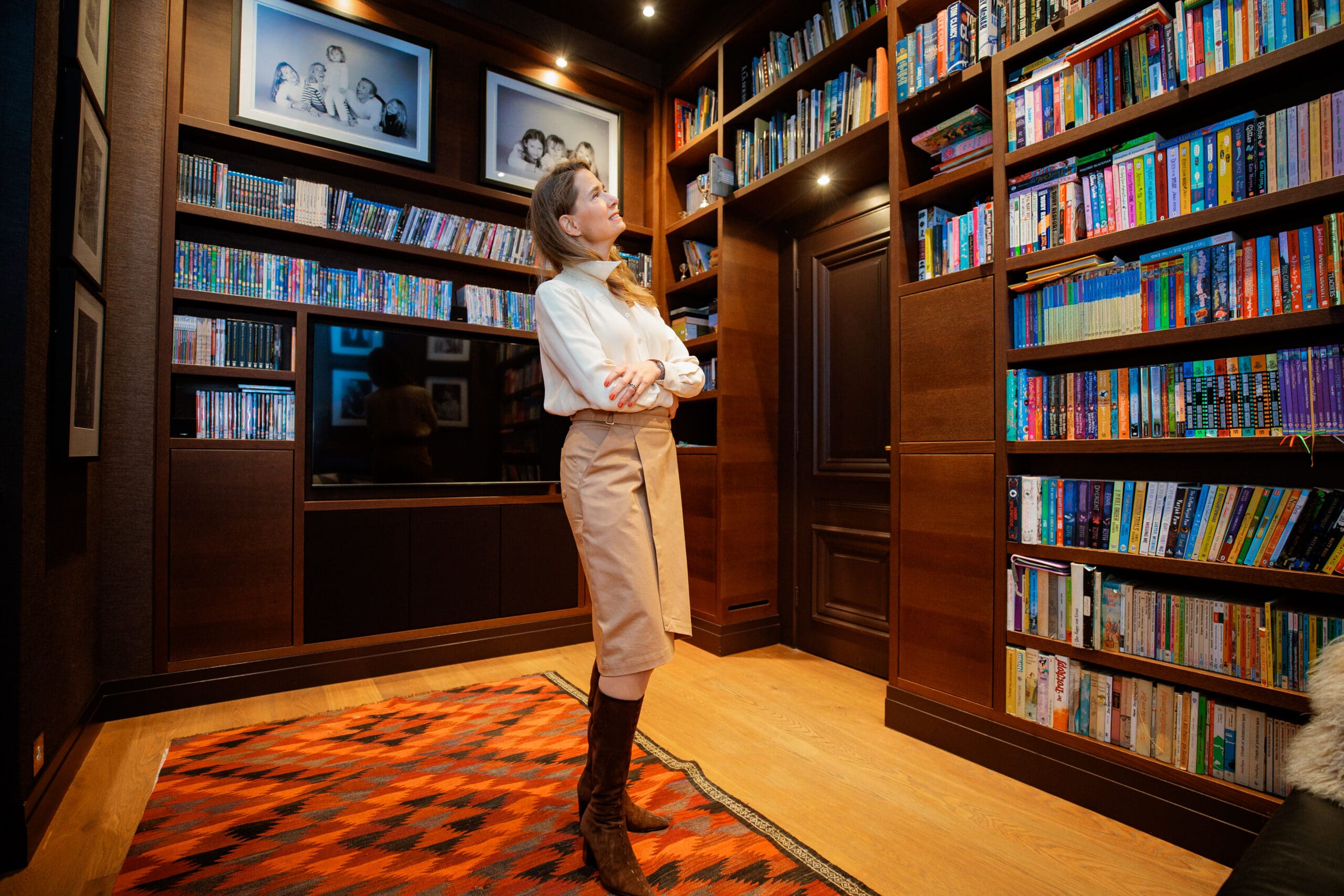
Every home has one: the abandoned space.
A room that once had potential but somehow slipped through the cracks — the accidental dumping ground, the door you keep closed when guests arrive, the space that collects leftover furniture, seasonal clothes, random objects and the odd box you’re “definitely going to sort this weekend.”
I’ve walked into magnificent penthouses, chalet hideaways, and sunlit coastal homes that each without fail had one such forgotten room. And I’ve learned something beautiful: these neglected spaces are the greatest untapped opportunities in a home.
When we design with intention, abandoned rooms become a source of joy, rejuvenation, rediscoveries of hobbies, purposeful retreats, and powerful statements of who you are and how you want to live. I will share with you my thoughts and process how we transform these forgotten corners into spaces filled with life, memory, and meaning.
1.Begin With a Vision
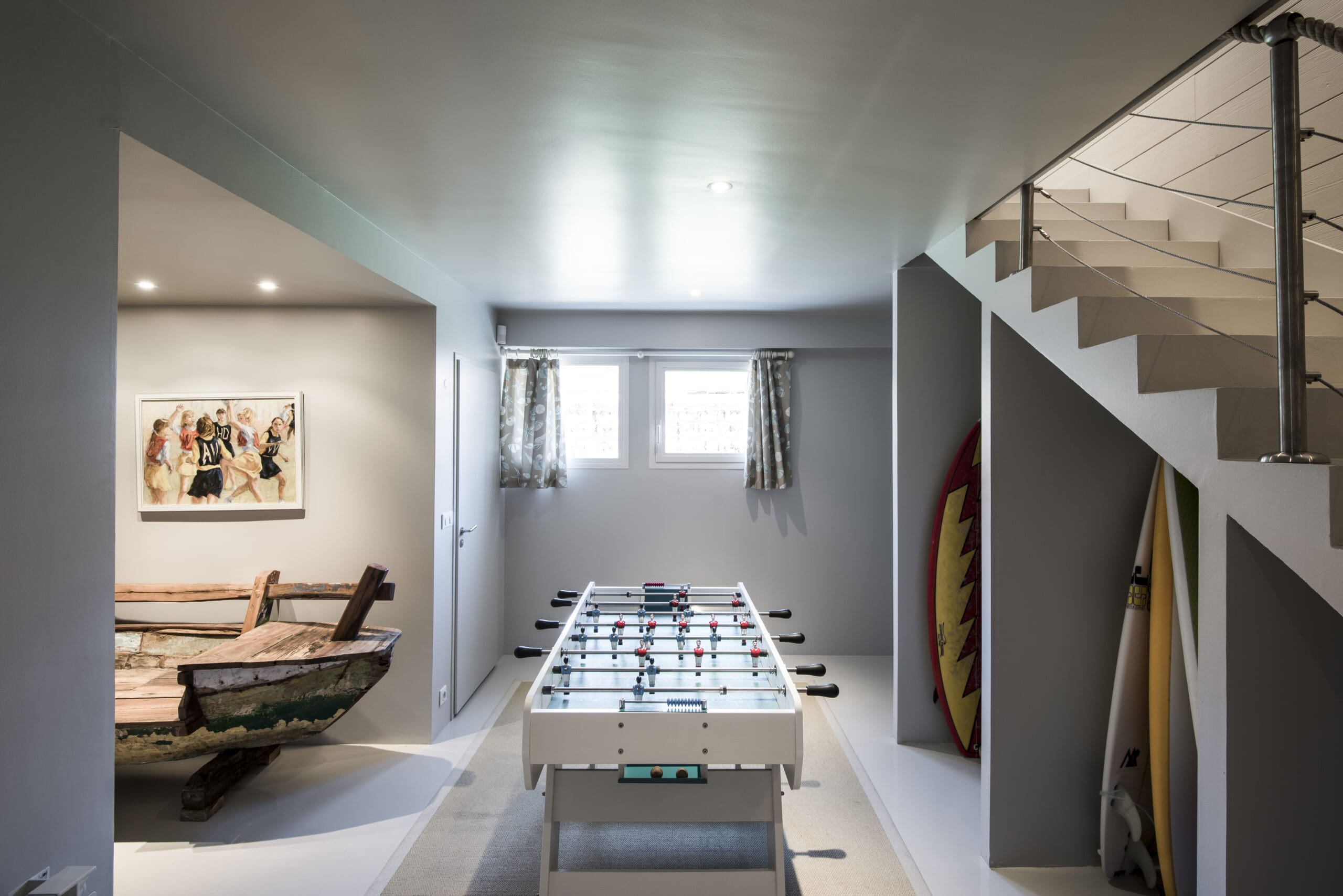
Not with the room as it is, but with what it could become. Before I sketch, measure, or open AutoCAD, I ask one question: What do you wish this space could give you? My signature approach is to truly help clients uncover what they desire, what would make life better and easier. A place to work with clarity? A sanctuary to restore energy? A cinematic cocoon for family evenings? A place for family games ? A small but elegant bedroom that feels like an intimate boutique suite? A space to paint or sew and leave the creative utensils strewn about?
Once you define the emotional purpose, the design becomes not just functional — but deeply personal.
2. Size Doesn’t Restrict Beauty
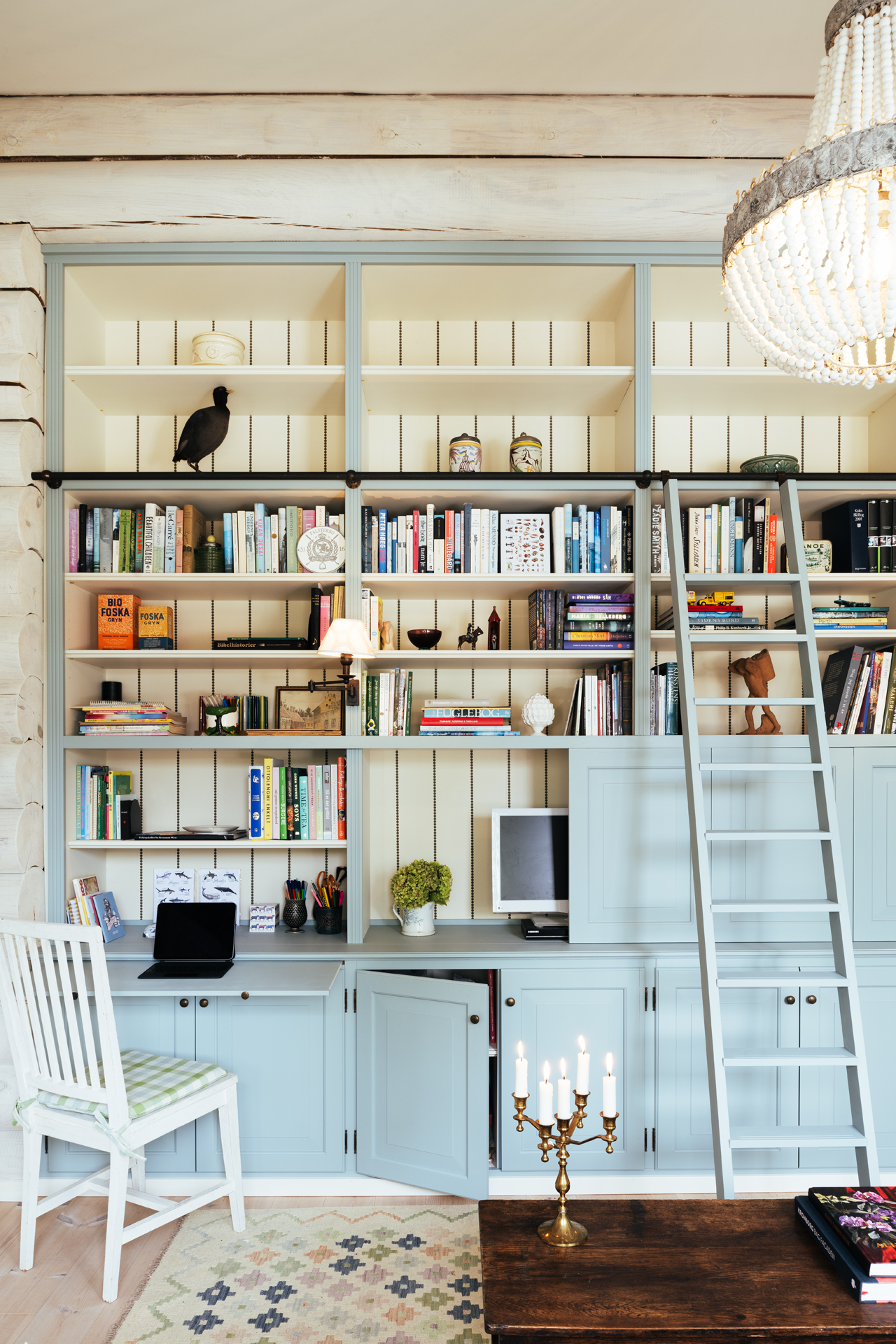
Abandoned rooms are often small, oddly shaped, dimly lit, or victims of haphazard planning — but this is precisely where the beauty of design work reveals itself. These spaces demand ingenuity. In compact rooms, every centimetre becomes an opportunity, and the architecture itself must work harder. Walls, ceilings, corners, beams and even thresholds are pressed into service.
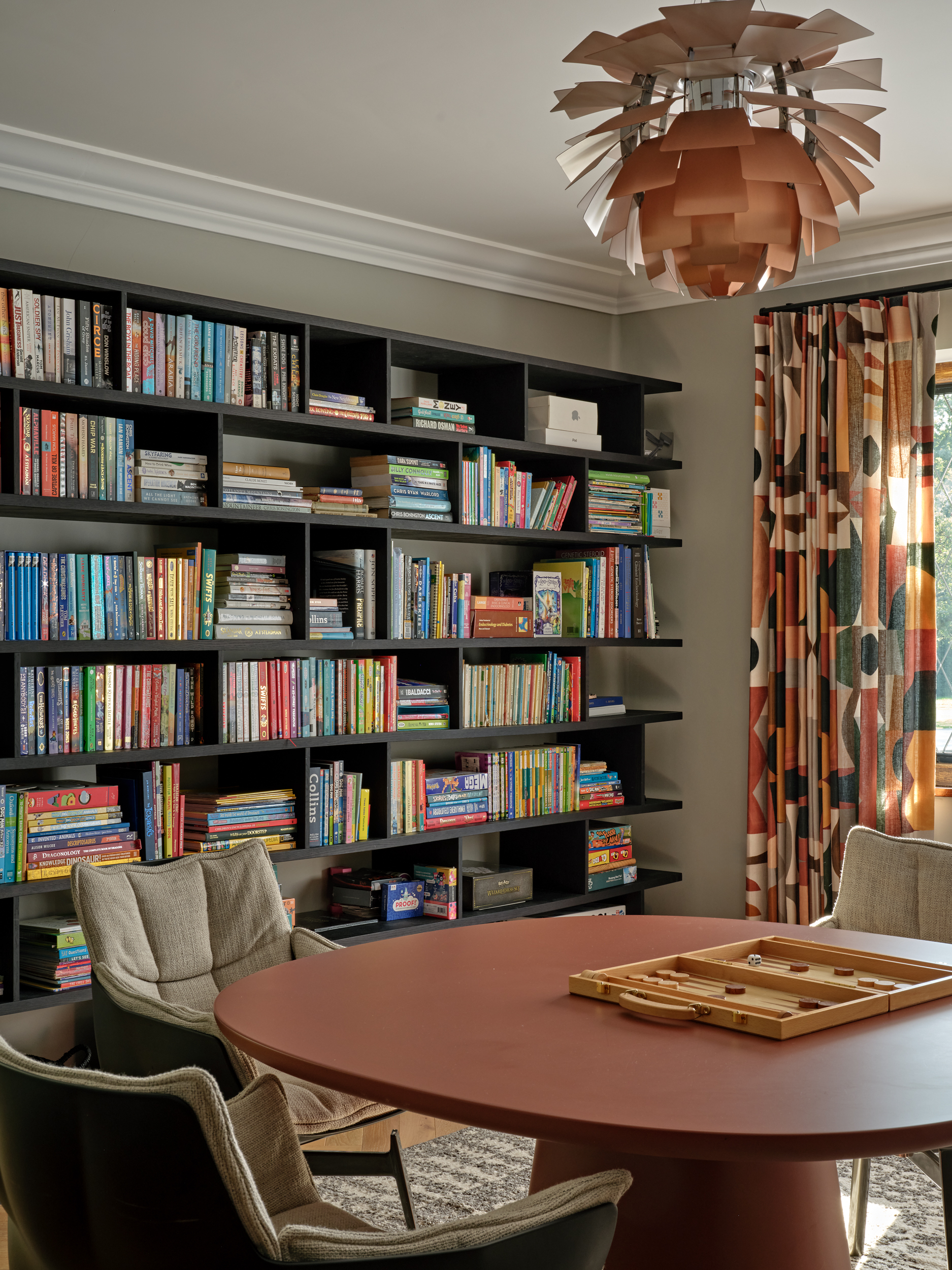
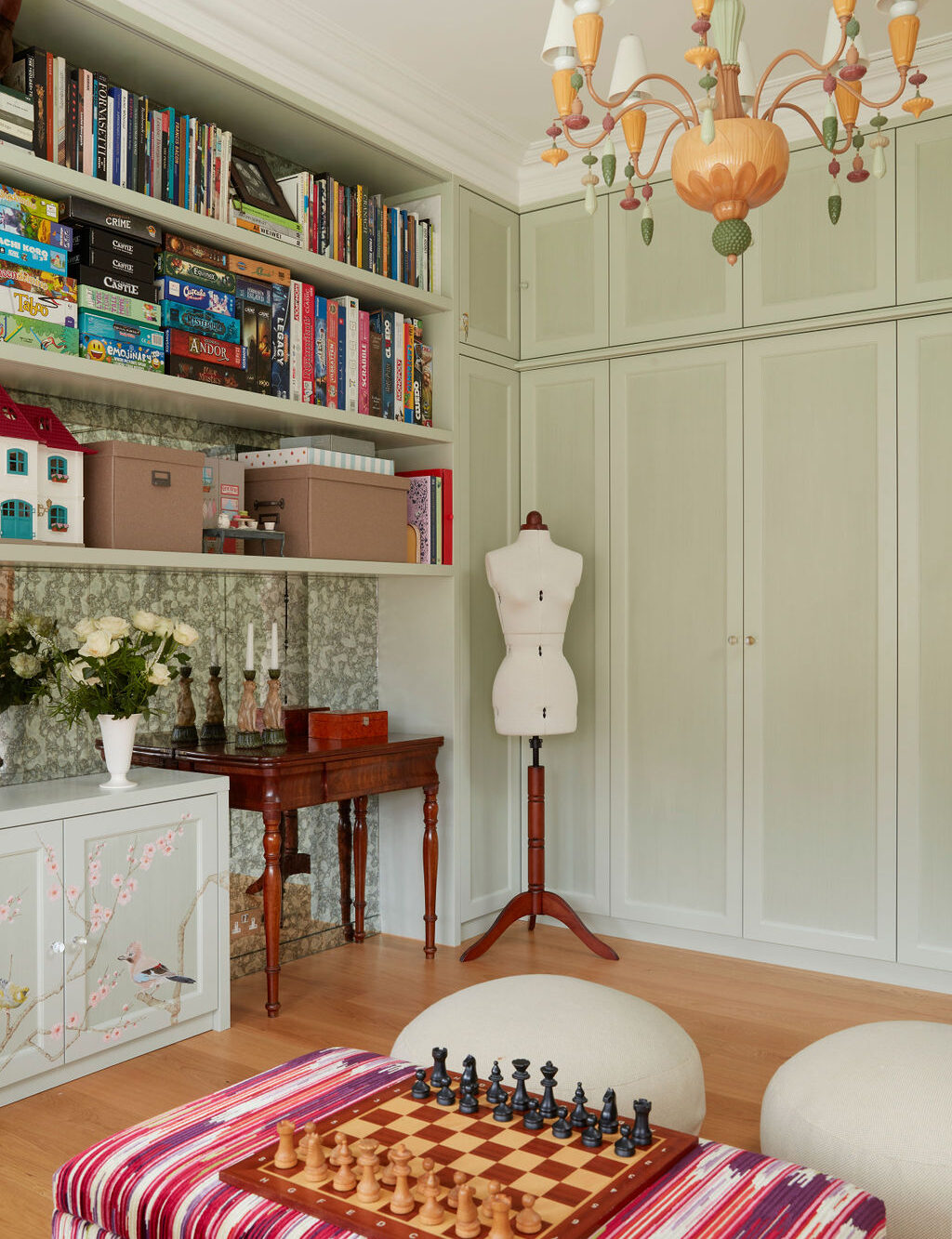
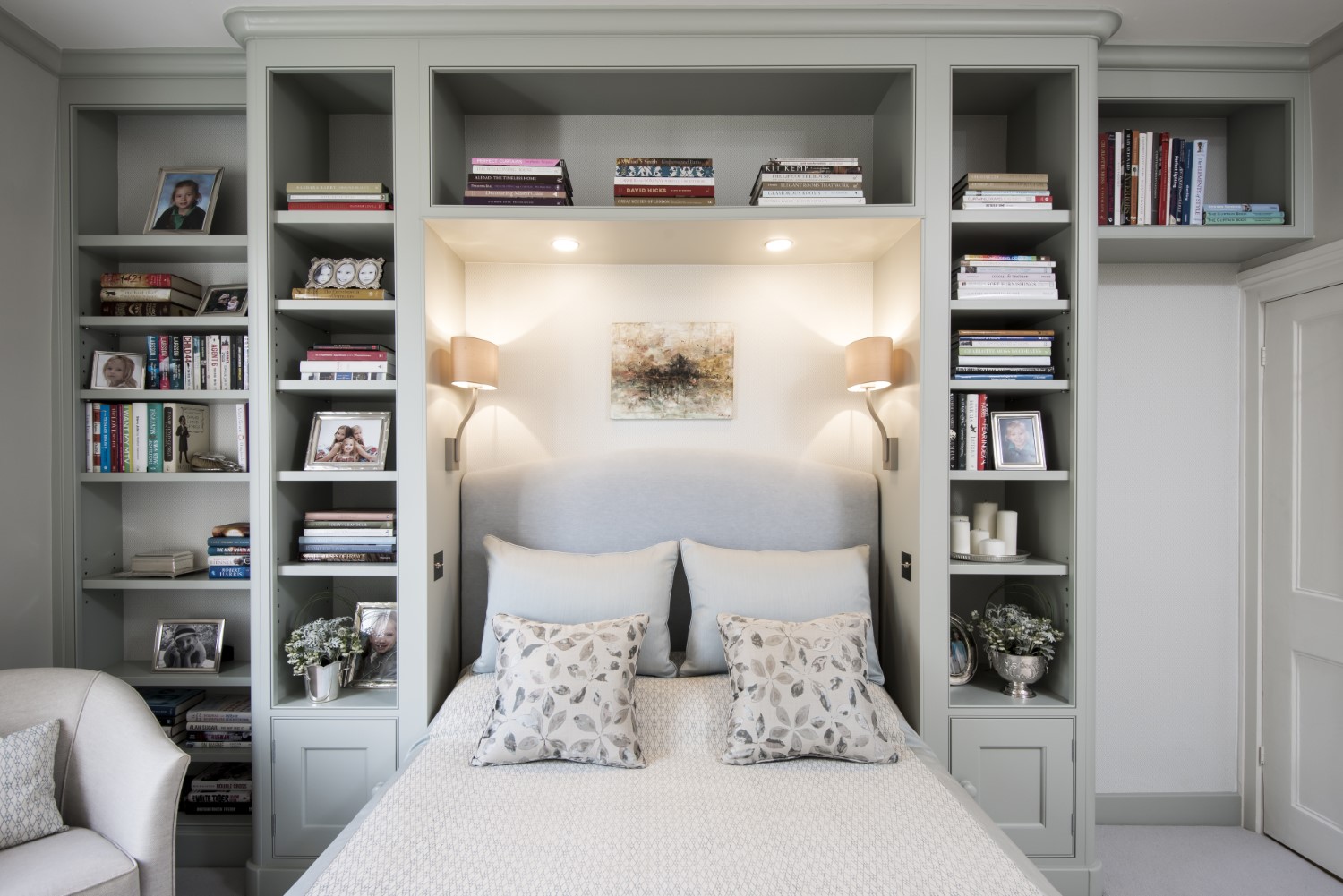
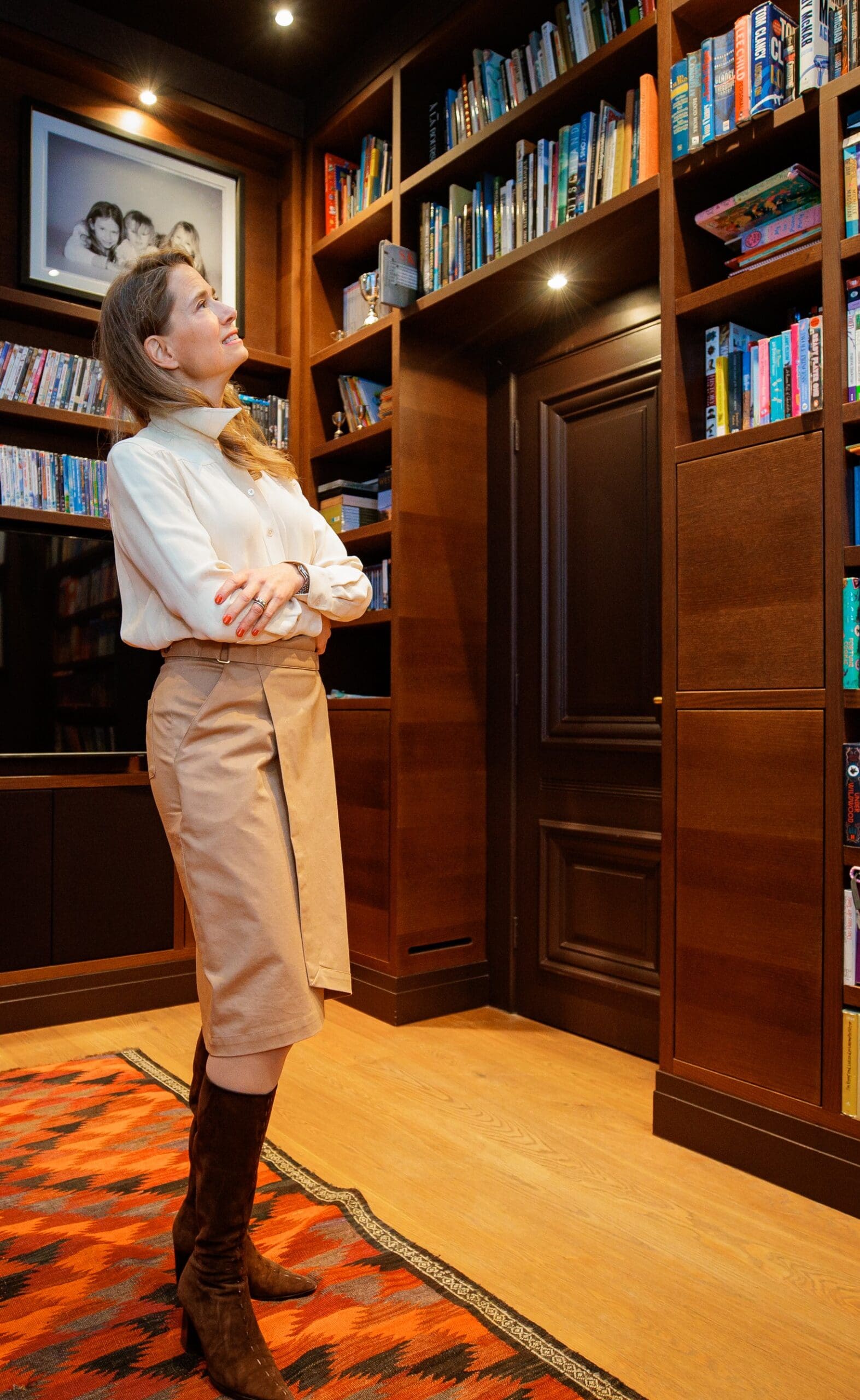
One of the most transformative approaches is to build vertically. Floor-to-ceiling cabinetry not only delivers essential storage but also elongates the room, drawing the eye upward and creating a sense of quiet grandeur. Look at this bookcase wall we designed for a room that is a through fare and we turned it into a cozy library.
Textured wallpapers, lacquered finishes, hand-painted effects, trellis ceilings, or slatted timber panelling add depth and sophistication, each interacting differently with light. A high-gloss ceiling, for example, can behave almost like water — reflecting light back into the room with a gentle, luminous sheen. In this cozy family lounge below we commissioned a paint artist to apply layers of gold paint and then age this with a vintage glaze to the ceiling , the effect is rich, enveloping and glowing.
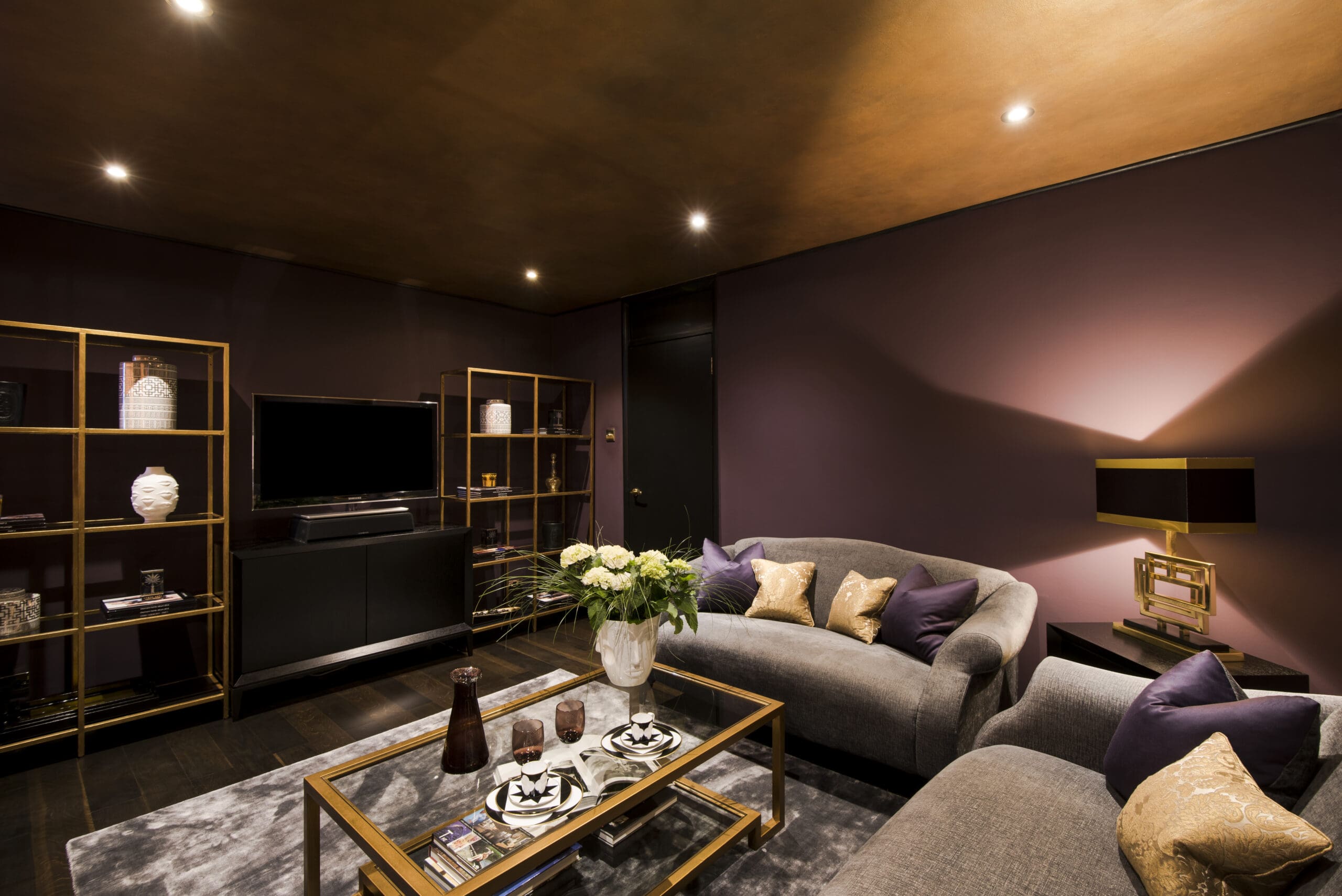
When natural light is scarce, I resist the instinct to brighten artificially. Instead, I lean into the shadow, as we did in the gold and aubergine room above. Dark, saturated tones — deep reds, midnight blues, rich chocolate and tobacco, forest green — these create a cocooning richness that feels purposeful and indulgent. Light becomes softer, more atmospheric; the room begins to envelop you rather than apologise for its size.
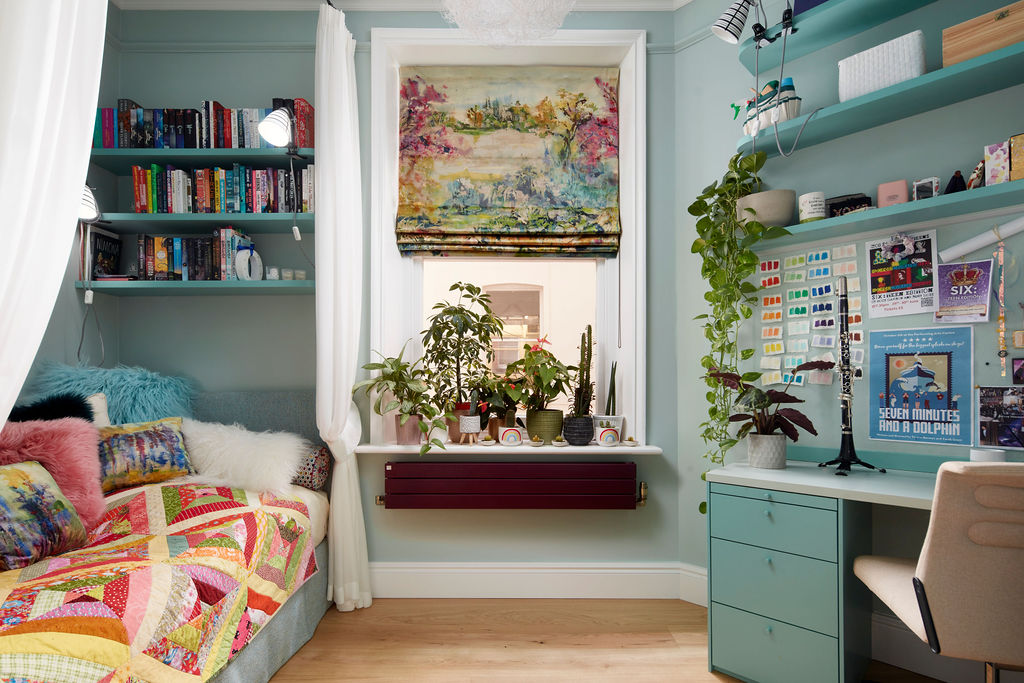
This is also the stage where I often make my boldest architectural moves. Sometimes the doorway is in the wrong place altogether. Sometimes the room needs to be rebalanced with a bespoke bed frame, a built-in desk, or a change to the circulation path. I might reorient the room entirely or reimagine its proportions through joinery.
This teenage bedroom has a kinked fireplace wall. Originally we wanted to remove the fireplace shaft but that proved structurally impossible which forced us to reconsider all other options. We stripped the room back to the bricks which gained us a few cm here and there, we moved the door to sit opposite the window which rebalanced the flow of space and flexing our 3d modelling skills we created joinery to use every inch of walls.
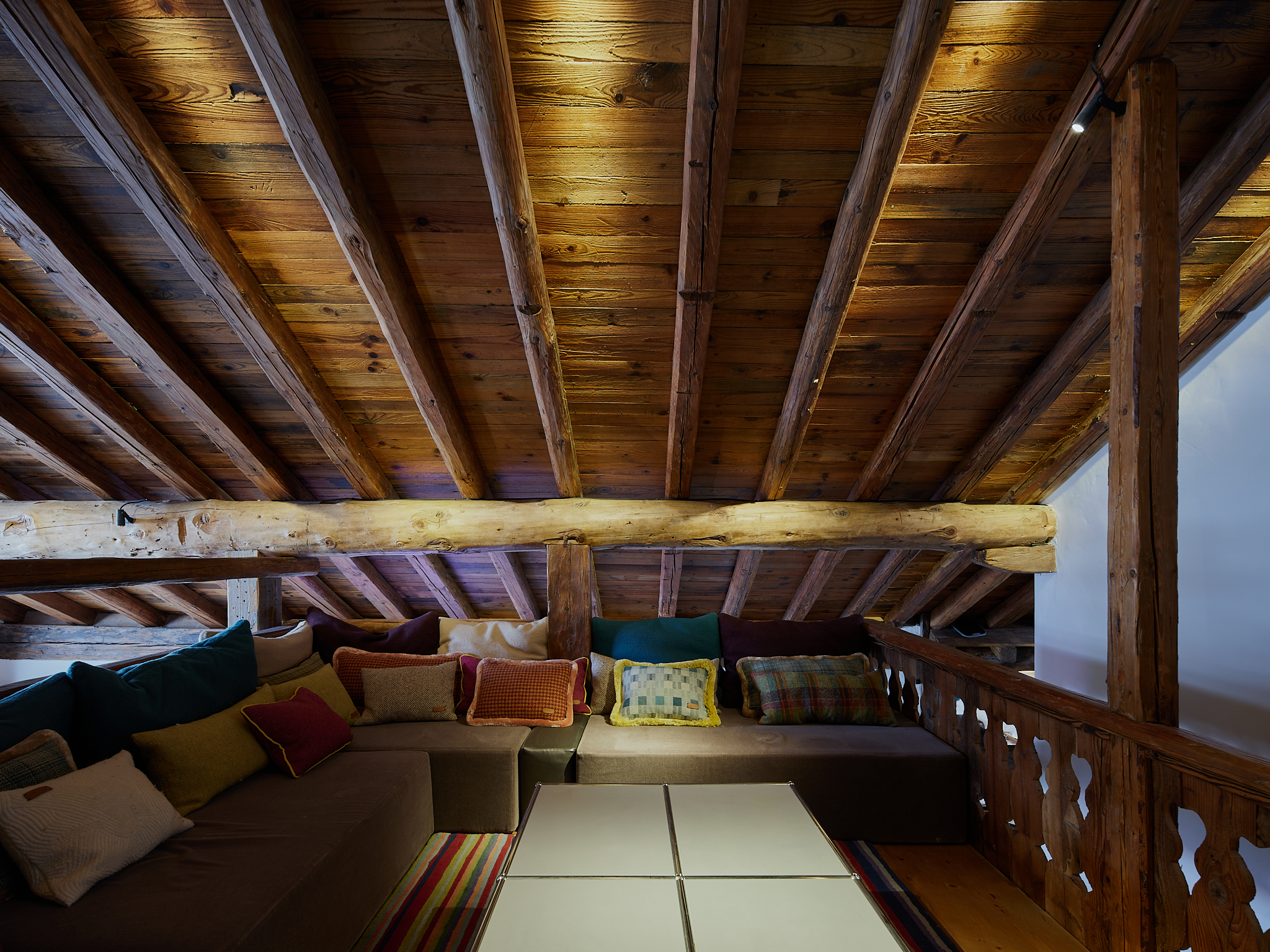
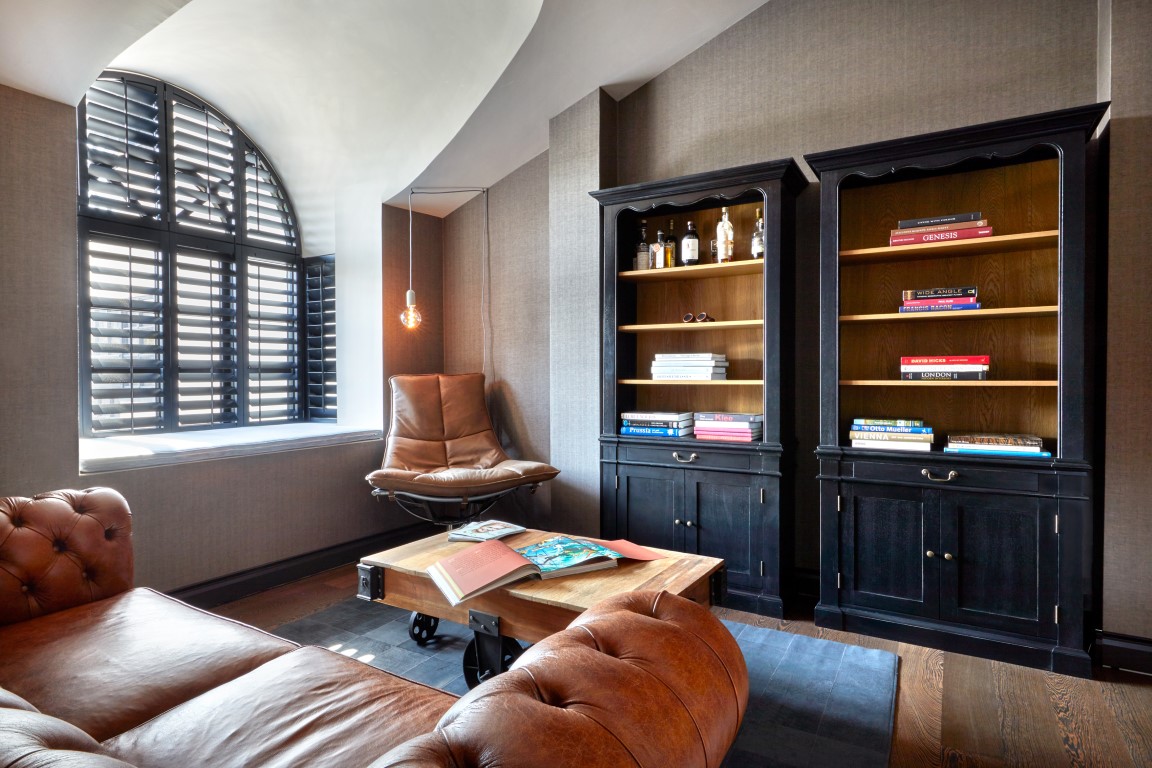
Small rooms can be the most extraordinary spaces in a home — but only if you’re willing to redesign them from their bones outward. When approached with courage and creativity, these forgotten rooms often become the ones clients fall most deeply in love with. This man cave below had awkward walls, beams, pillars and a sloped ceiling. We cleaned up the architecture of the space and defined the areas between the architectural features which were immovable thus giving purpose and natural proportions to the room.
3. The Rewards of tackling a Transformation
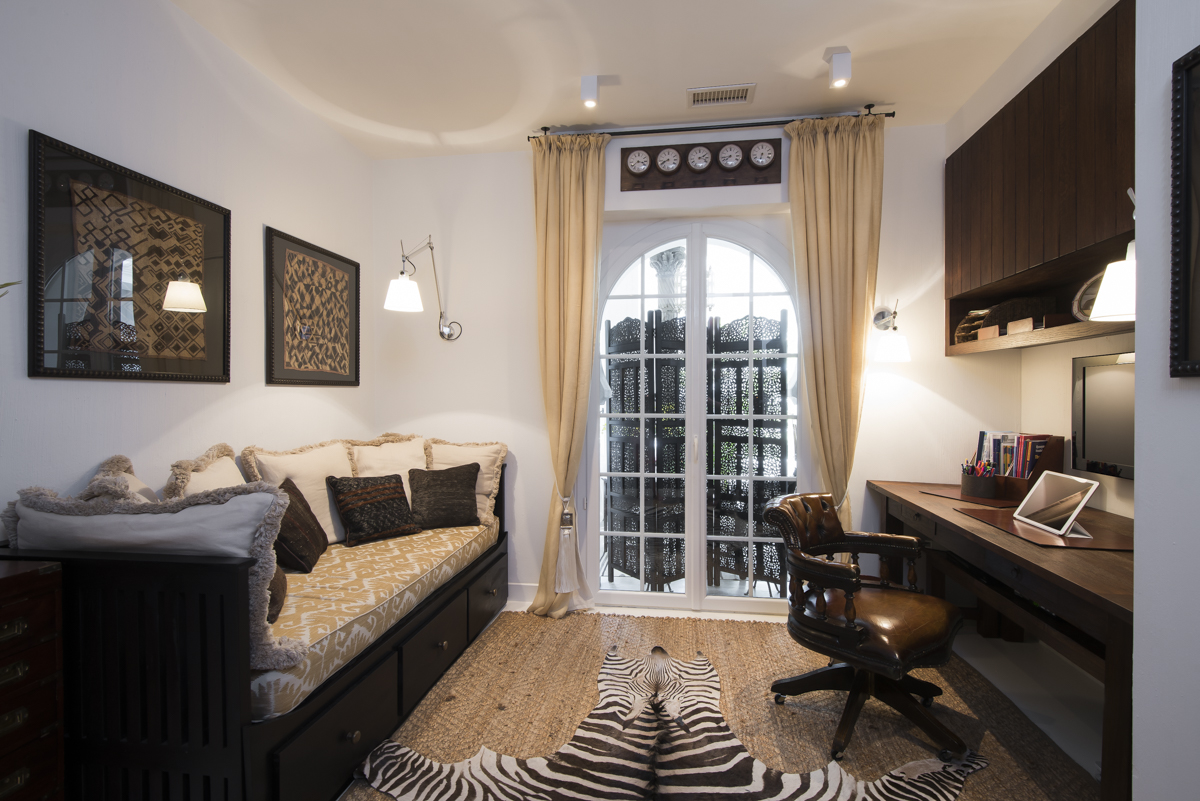
A Sophisticated Home Office.
Your work deserves more than a corner of the kitchen table. A serene office lined with bespoke shelves, a tactile rug, curated art, softly wallpapered textile walls, a spacious desk and comfortable chair and task lighting, all transforms productivity into pleasure. Built-in joinery, leather accents, and layered lighting elevate even the smallest footprint into a professional power play.
A Boutique Guest Retreat
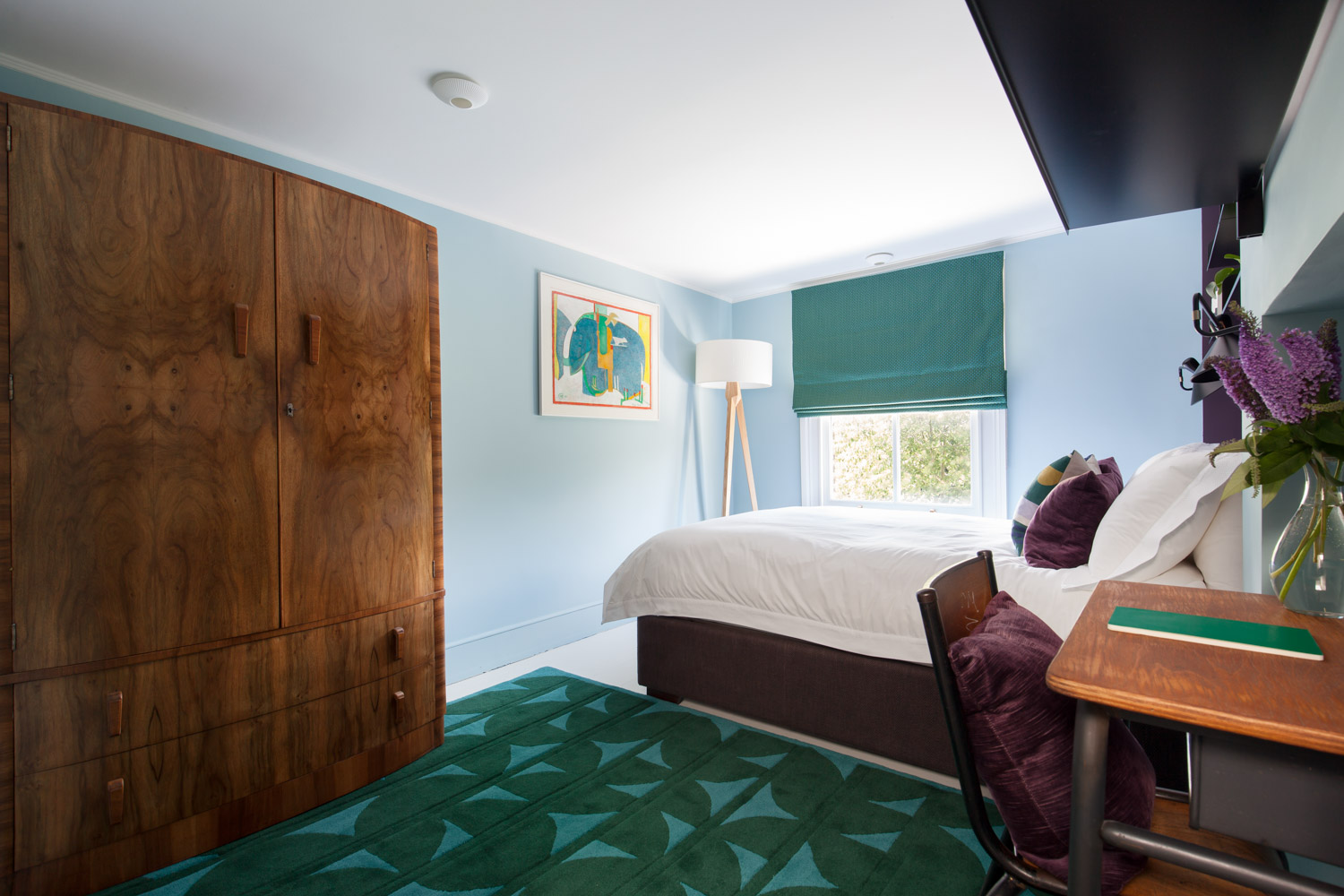
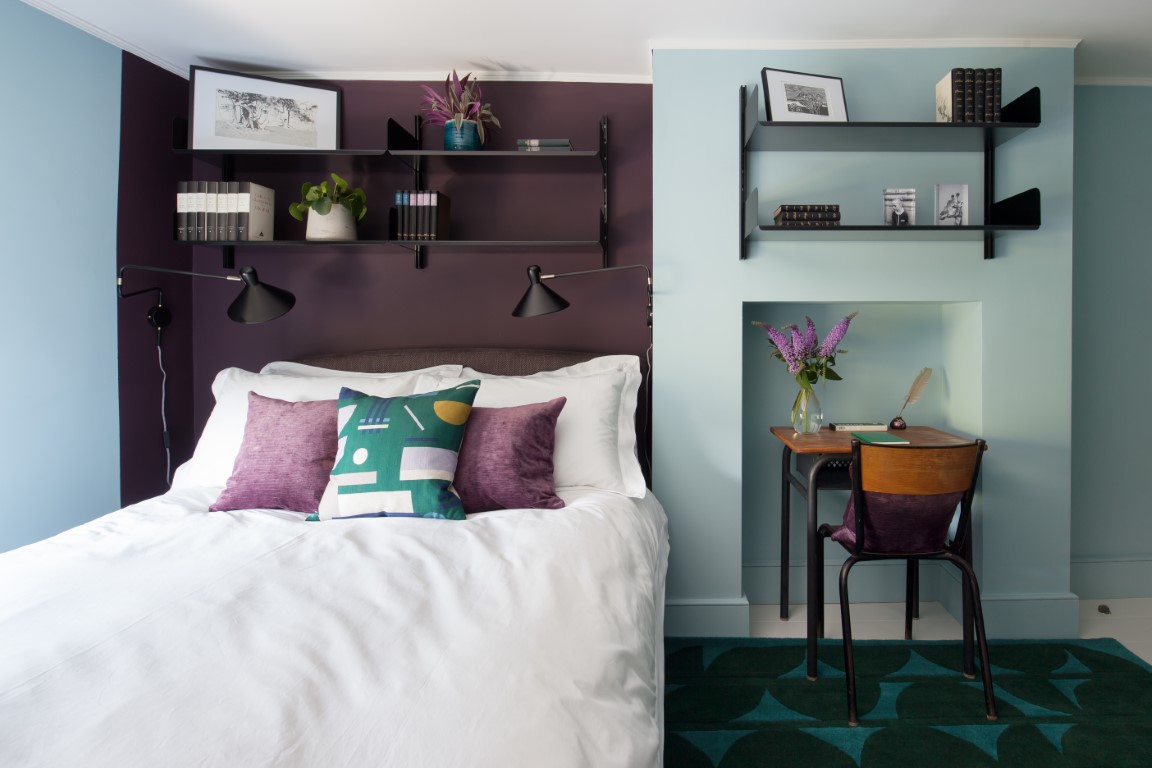
Forget beige hotel blandness. A guest room should be memorable: a statement headboard, rich colours, bold patterns, textured wall panels, or a dramatic fabric wall. Add thoughtful touches , a carafe of water, a plant, a small stack of books, a desk and a decent wardrobe and the room becomes an experience your guests will talk about long after they leave.
A soothing Games Room or a Private Library
Imagine panelled or papered walls, soft lighting, floor-to-ceiling bookcases and perhaps even a sliding library ladder. This is not simply a room it’s a ritual. Not just for book lovers, you can include a games table to host bridge sessions or family games night. I include a pair of comfortable armchairs for taking a drink and deep conversation.
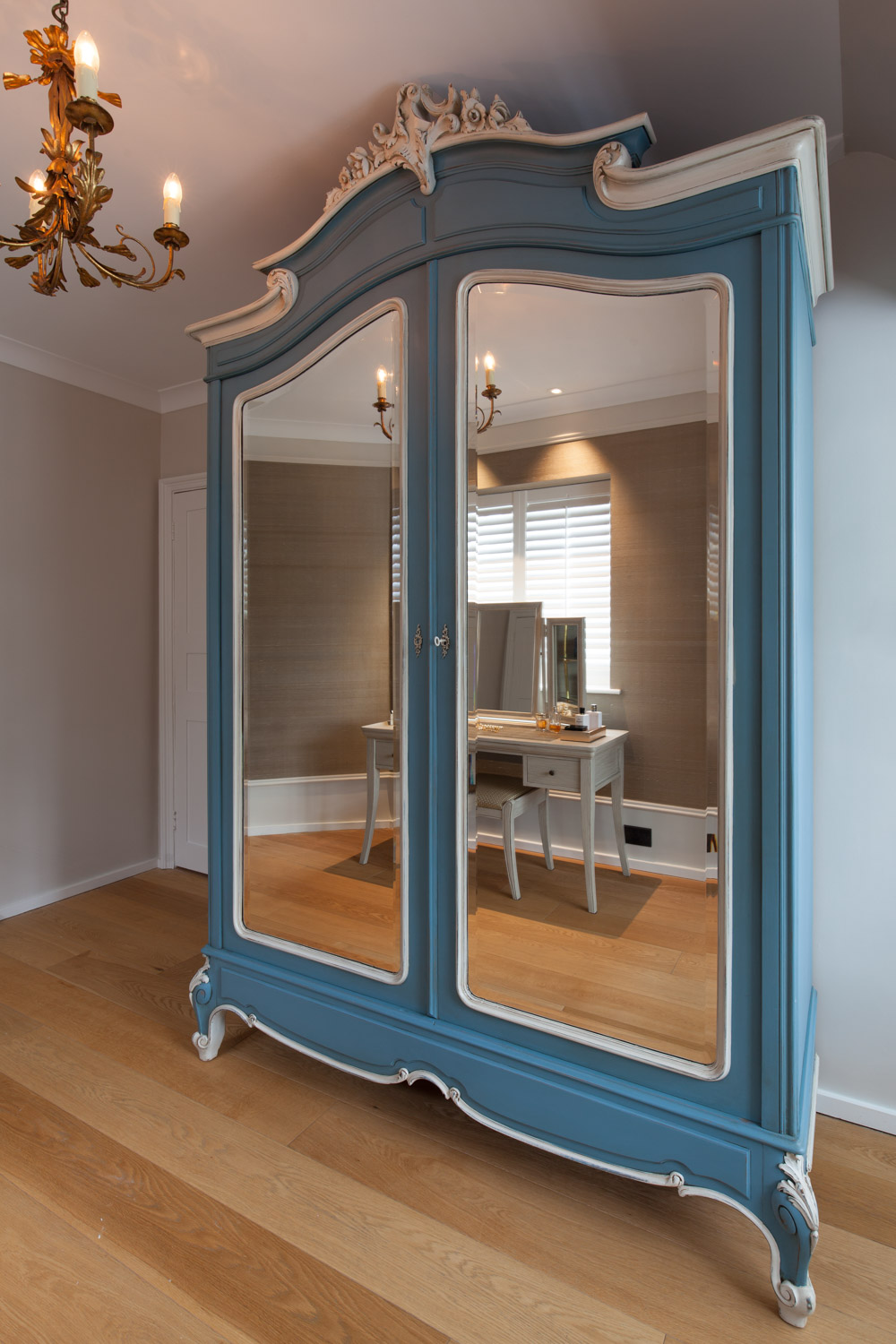
A Bespoke Dressing Room
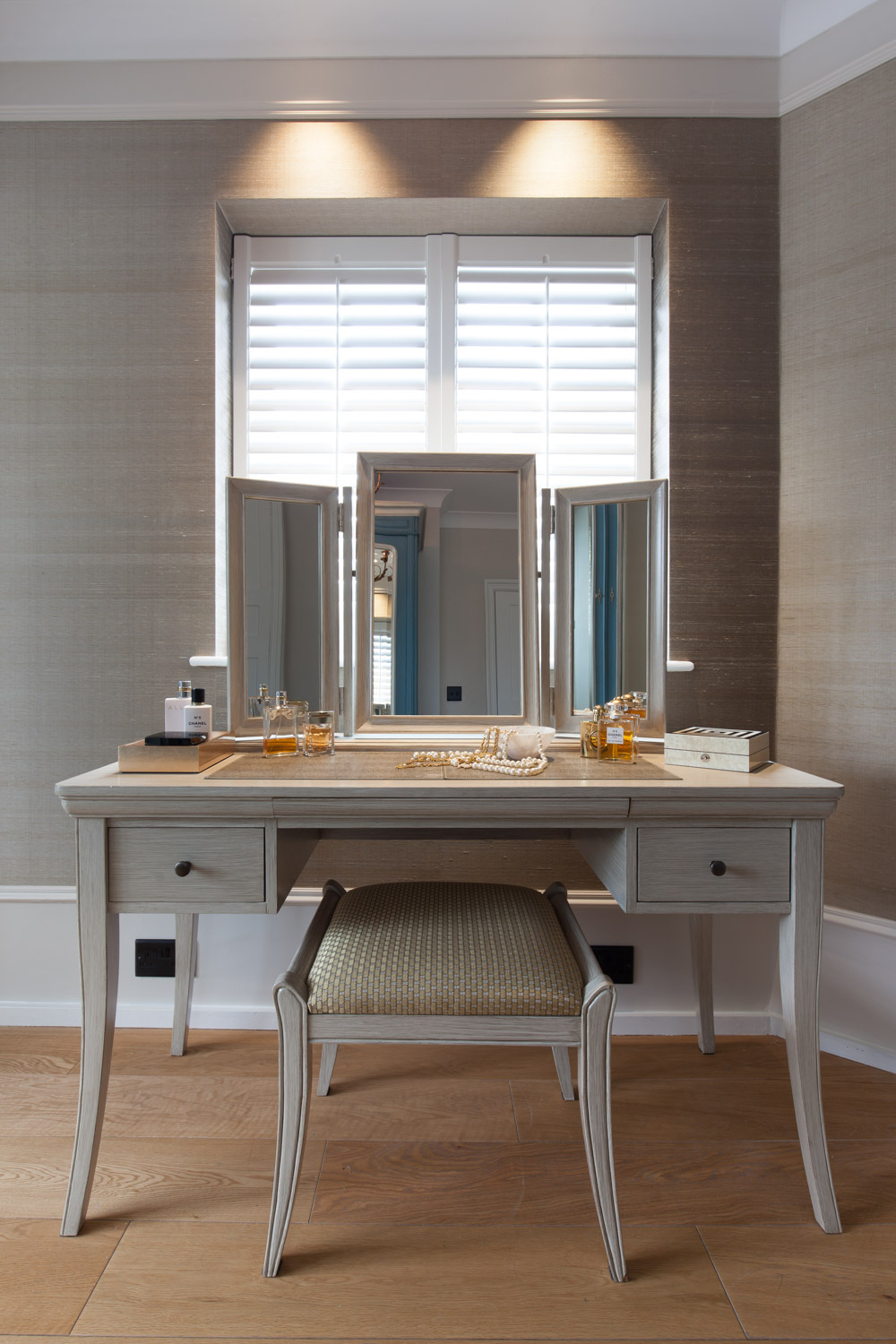
For fashion lovers, this is a dream realised. Illuminated wardrobes, display cabinet for prized accessories, an island for jewellery, an upholstered seat to get dressed on, a plush rug underfoot , a vanity table with mirror to hold all the products and gadgets ready and plugged — a daily moment of luxury that sets the tone for your entire day.
A Yoga or Wellness Studio
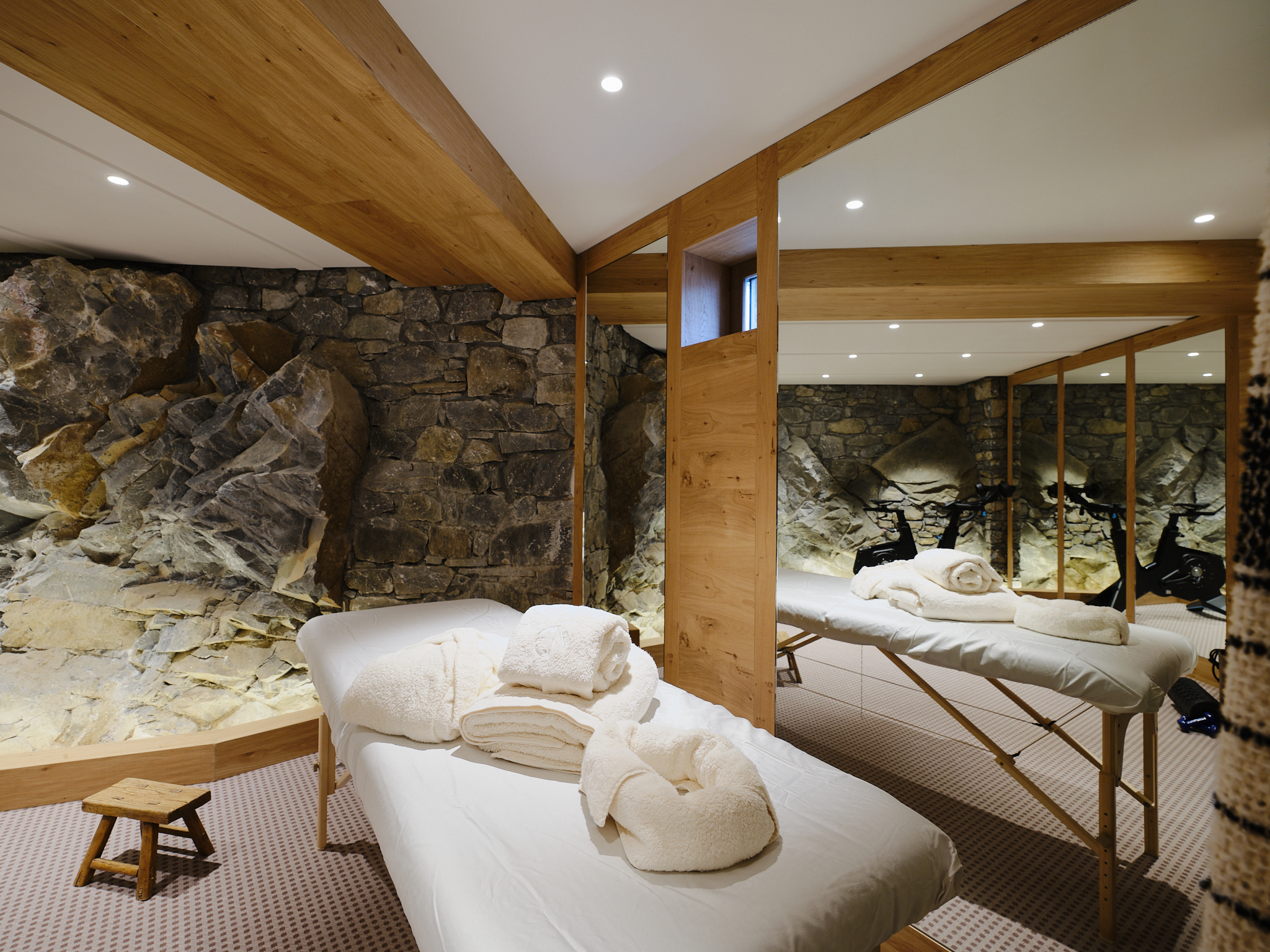
Minimalist, calm, and deeply restorative. Soft neutrals, diffused lighting, mirrors to expand the space and discreet storage for mats, blankets and candles. This space becomes a private haven of restoration and can easily have a dual purpose. In the chalet we expanded the property to claim a new space for a dark cozy room carved out of the rock, it doubles as a gym and massage room.
A Creative Studio
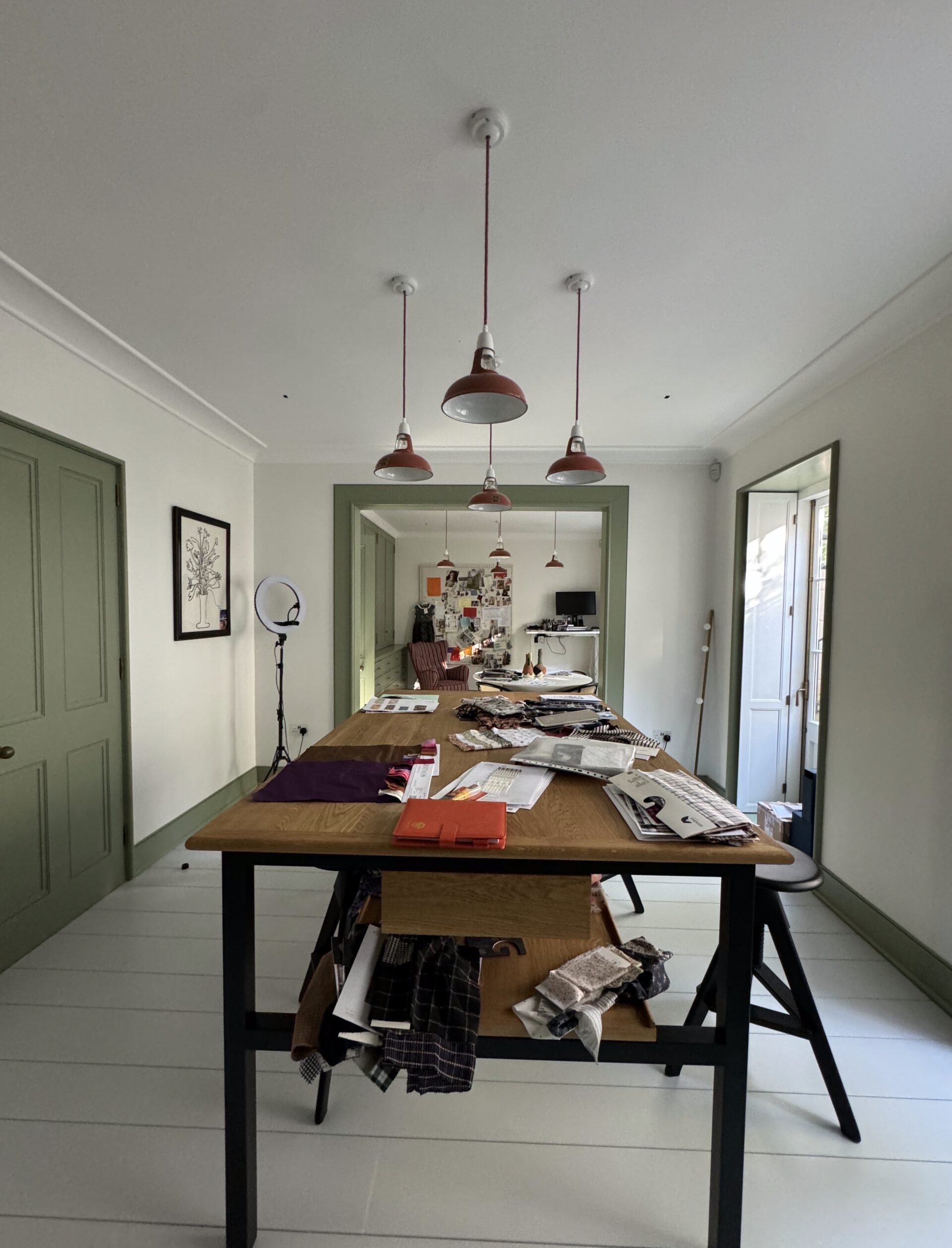
Your creativity deserves room to breathe and crafts and skills based hobbies are making a comeback. Perhaps you need easy-clean floors, open shelving for materials, a large work table, pinboard walls, strong task lighting , your space that awakens ideas the moment you walk through the door and a place you can leave your work in progress to finish later.
A Cinema or Games Room
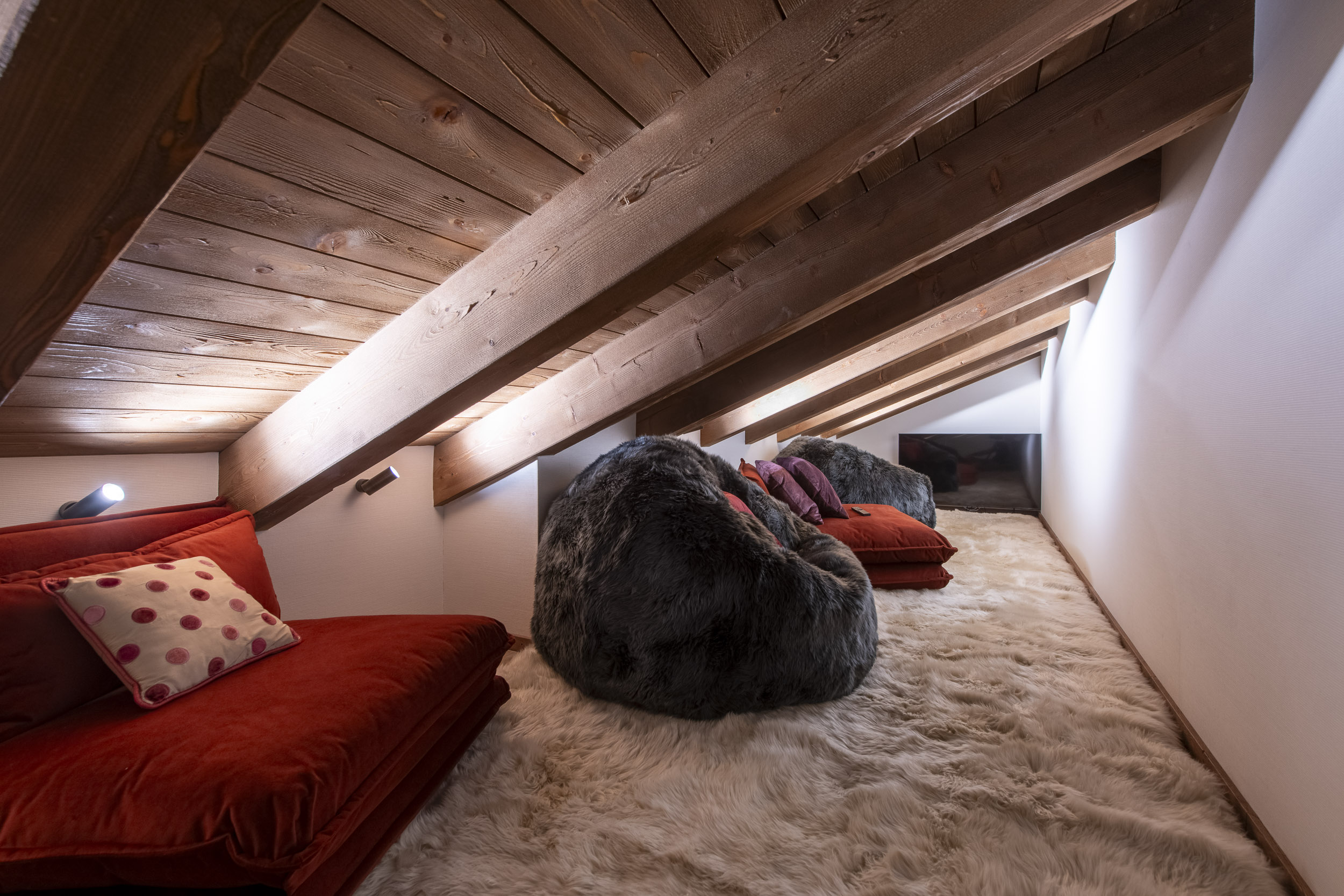
Whether it’s family movie nights in the city or a cosy retreat on a snowy evening, these rooms thrive in deeper paint colours, layered fabrics, acoustic panels, timber cladding and soft, immersive lighting. Add a mini-fridge and a dedicated cupboard for snacks, beanbags for extra seating and a tower of blankets to snuggle up with and the room becomes a magnet for togetherness, magical happy moments.
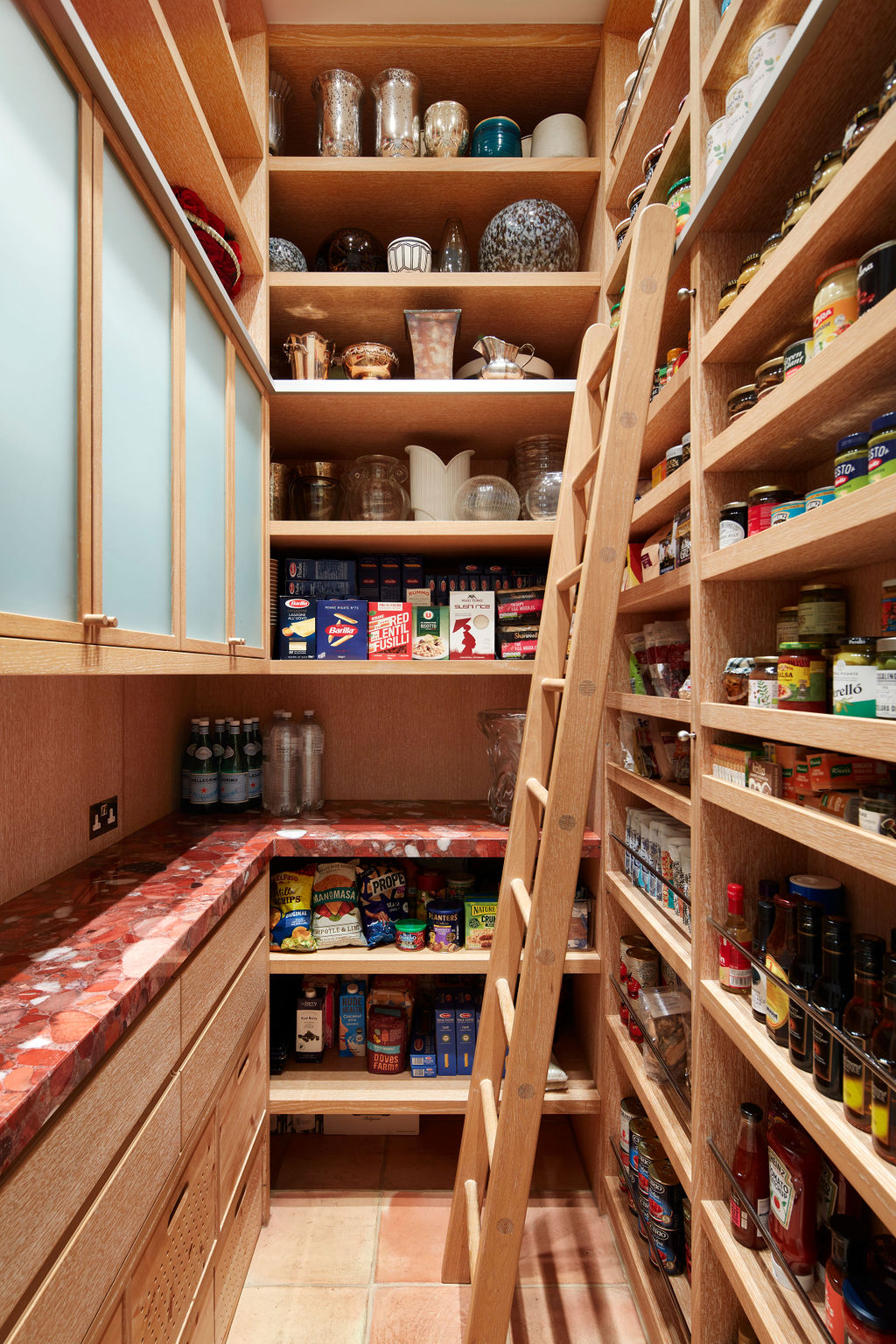
A Beautifully Organised Pantry or Laundry Room
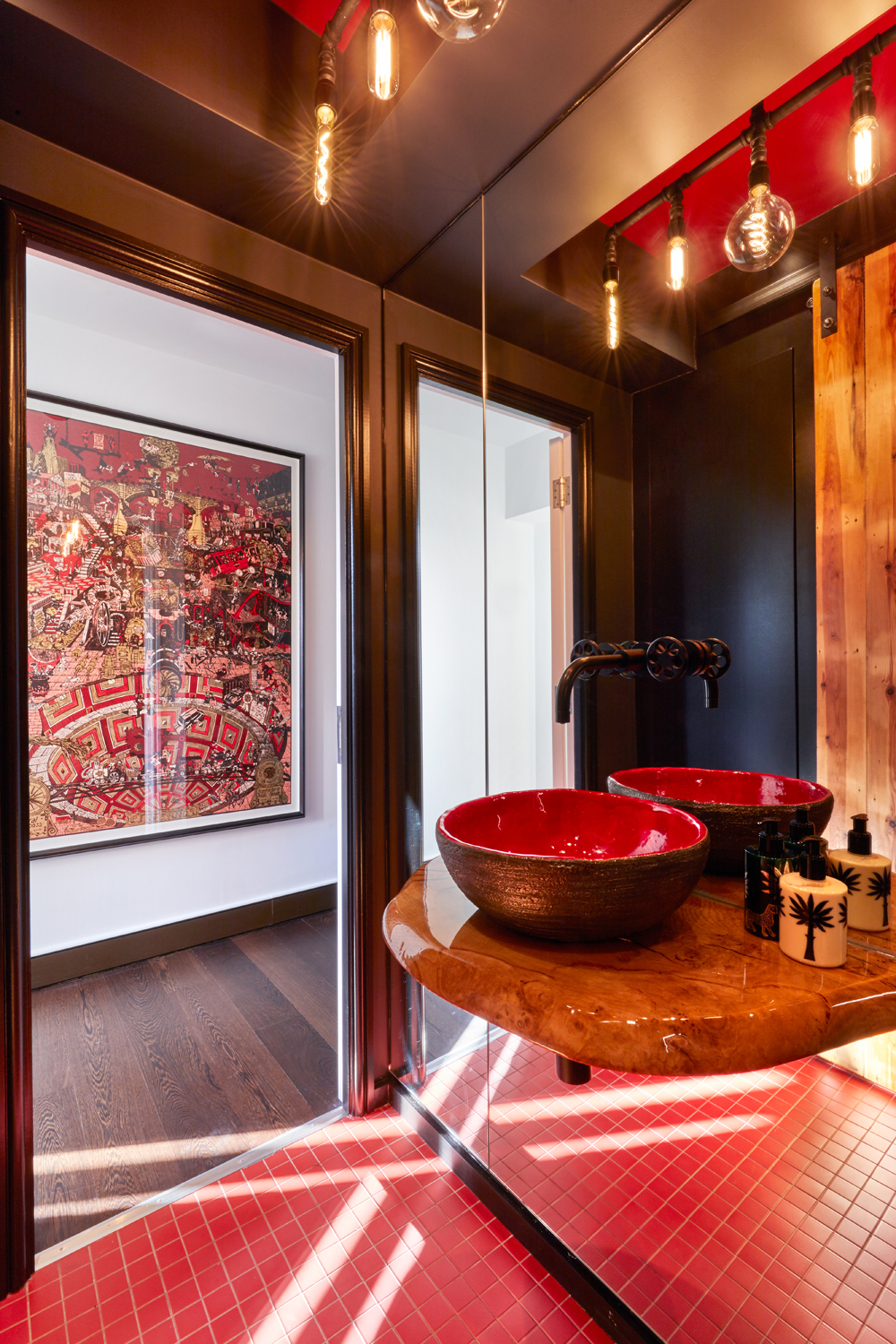
Even functional rooms can be elevated. Household work is necessary and keeps the home running, these spaces need to work hard to support you and your staff. I believe these domestic work rooms should be as beautiful and functional as possible and fun! I always recommend to build custom cabinetry, layered but bright lighting, colourful tiles, a luxurious worktop, something arty and fun, don’t forget air conditioning, ventilation and music. Make the work fun, with attention to detail these rooms become less “functional necessity” and more “quiet luxury.”

4. Layout, Light and Proportion: The Design Foundations
Every transformation begins with flow. Before we begin drawings, I return to one of the simplest tools: scaled paper cut-outs of furniture. I sketch the room by hand, cut each proposed piece of furniture to scale, and slide them around until the proportions click. It’s wonderfully old school quick, tactile, revealing and it allows me to sense how the room wants to behave before committing to detailed drawings. Some of my best layout breakthroughs have come from this quiet, analogue stage.
Light, whether natural or artificial, is the element that can make a space feel expansive or intimate. In one mountain chalet project, a narrow TV snug with only a single north-facing window felt perpetually dim. Instead of fighting the darkness, we layered the lighting deliberately: soft ambient wall washers, a concealed LED strip along the ceiling beam, and a pair of reading lamps tucked behind the sofa. The result was a cocoon-like retreat that clients now describe as their “evening sanctuary.” I approach all small or forgotten rooms this way — as opportunities to craft an atmosphere through light.
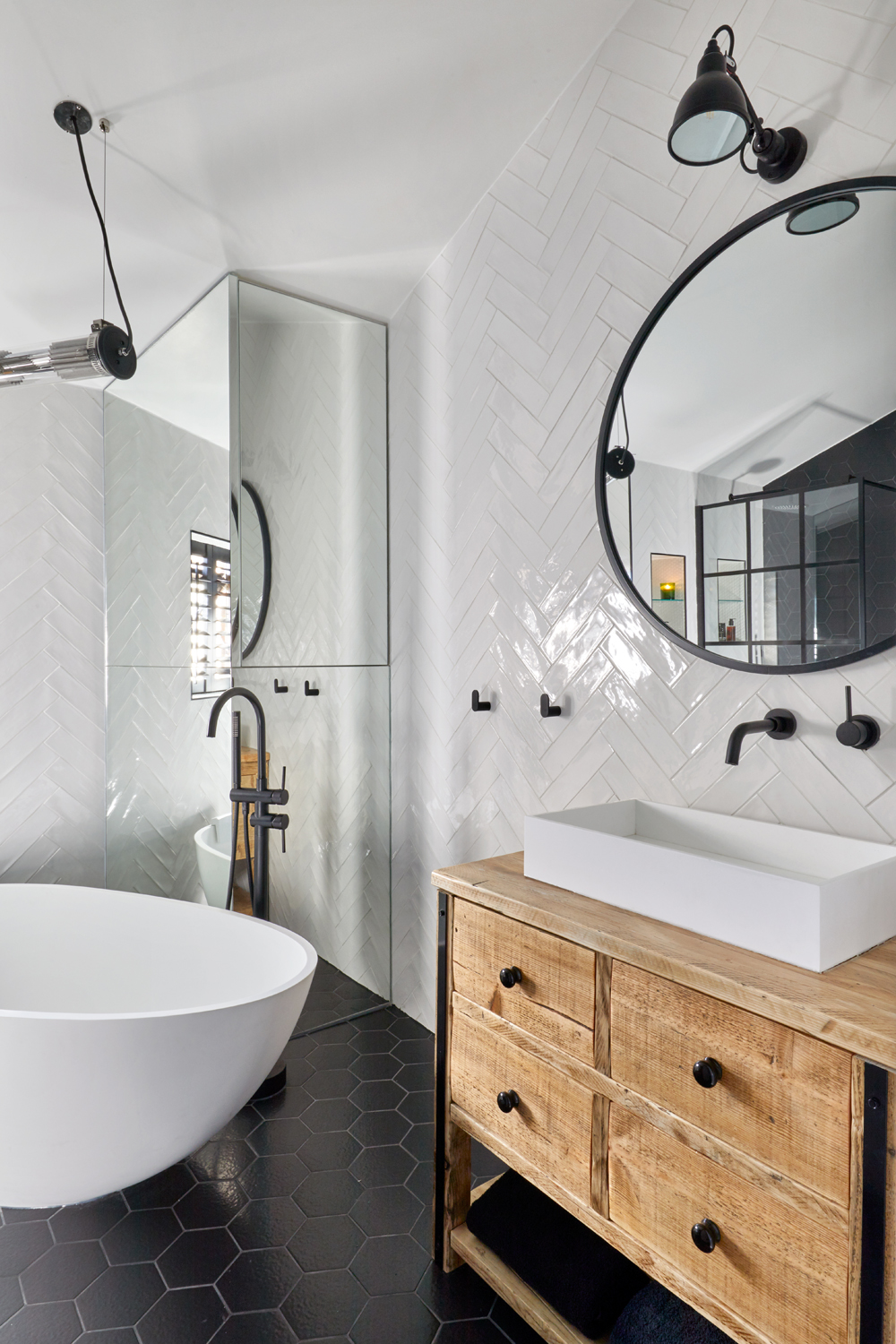
Mirrors are another powerful ally. In a Canary Wharf project we installed several floor to ceiling mirror wall sections which expand the spaces , the rooms doubled in perceived size, and the shifting light danced across the space throughout the day. It became the feature the client hadn’t known they needed.
Streamlined furniture plays an equally essential role. In the Georgian house in Blackheath, a compact bedroom was overwhelmed by heavy, traditional bedside tables and a bulky bedframe. We replaced them with slender fitted nightstands part of a custom bookcase and an upholstered bed on raised legs, revealing the floor beneath and allowing the room to breathe. The transformation revealed the room’s true potential.
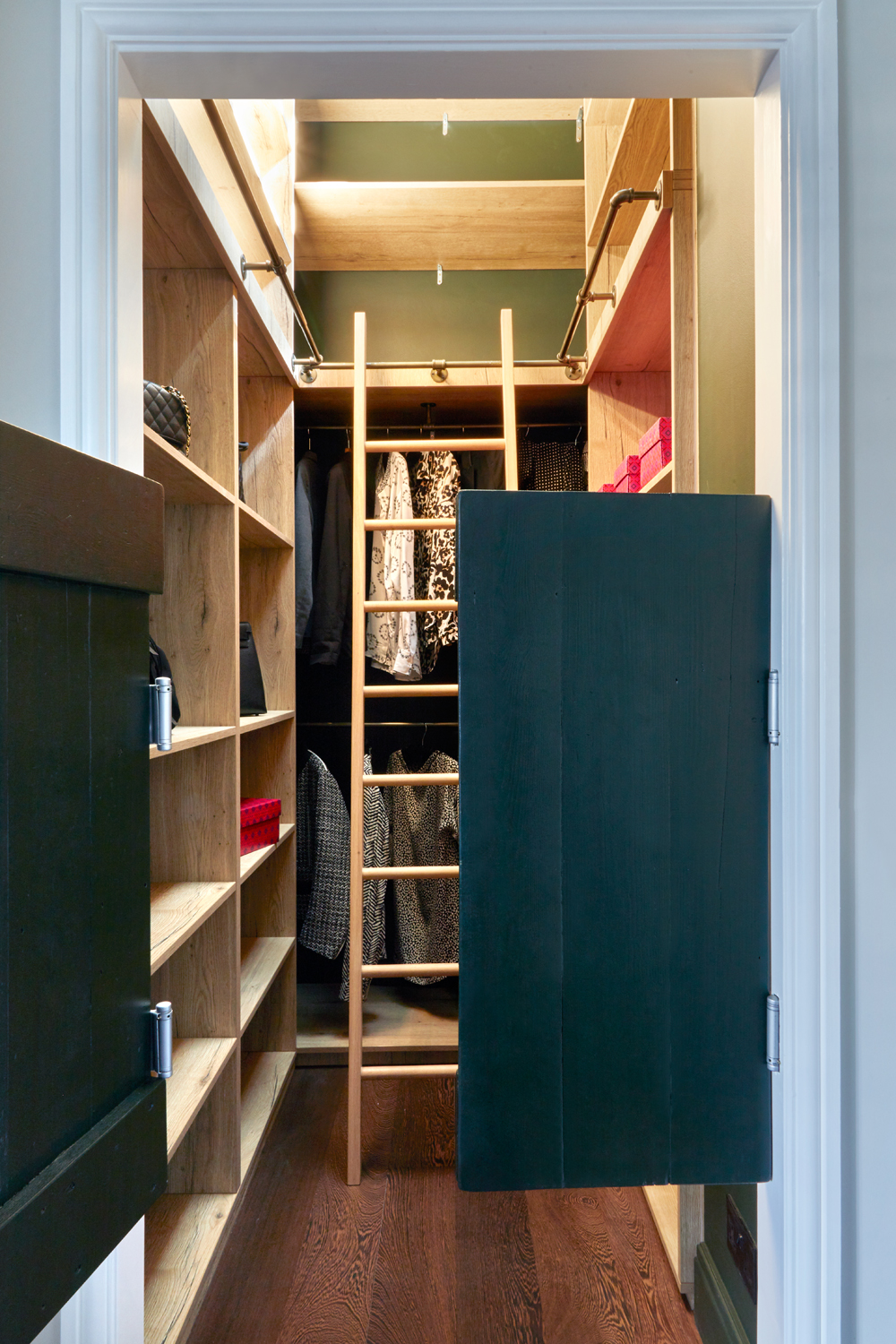
When floor space is at a premium, I instinctively turn to the vertical. Height becomes an asset, drawing the eye upward and liberating the footprint for living rather than clutter. In a Canary Wharf residence, an awkward void with an overly tall, unused corner was reimagined as a refined dressing room. We designed bespoke cabinetry that rose seamlessly to the eaves, accessed by a discreet sliding ladder — a quiet moment of craftsmanship. What was once an impractical, forgotten volume is now a beautifully resolved space: efficient, generous in spirit, and elegantly architectural.
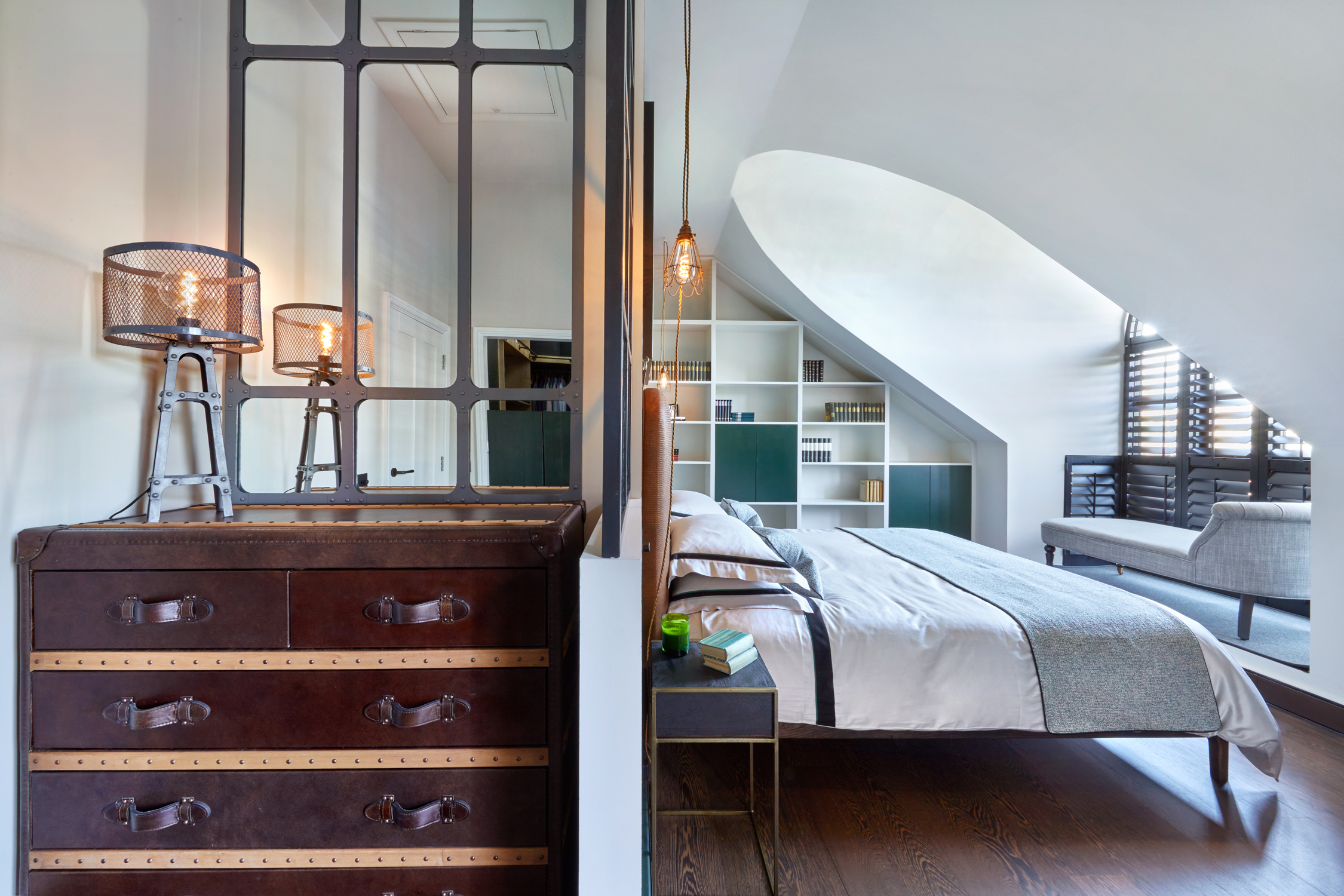
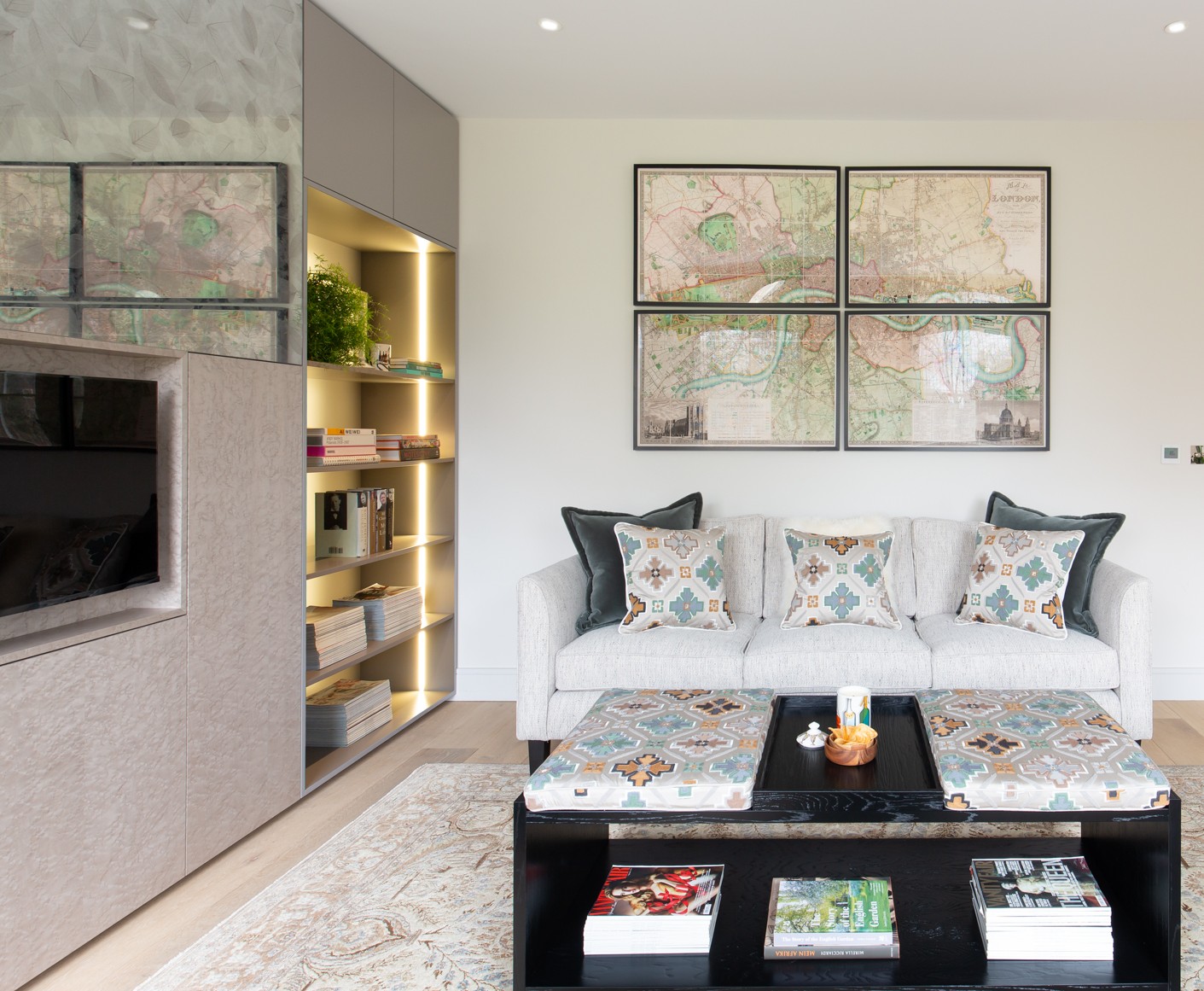
Every piece must earn its place. In small abandoned rooms, this becomes a non-negotiable rule. Furniture cannot simply be decorative; it must contribute to both beauty and purpose. Modular systems, hidden storage, and multipurpose pieces are the unsung heroes of these transformations. Instead of a conventional coffee table, we designed a bespoke ottoman with concealed storage — a place to tuck away throws, games, and remote controls.
Beds are another opportunity. A lift-up bed with integrated storage replaces an entire wall of cabinetry, I use TRECA or FURL storage beds in all compact guest suites.
Often, the most extraordinary changes happen in the most overlooked corners. A dead nook at the end of a hallway became a beautifully tailored linen cupboard with slim brass handles and soft-close shelves. An awkward alcove beside a chimney breast was reimagined as a tall, arched display niche for collected ceramics in a London townhouse — a moment of poetry in a place previously filled with nothing but dust.
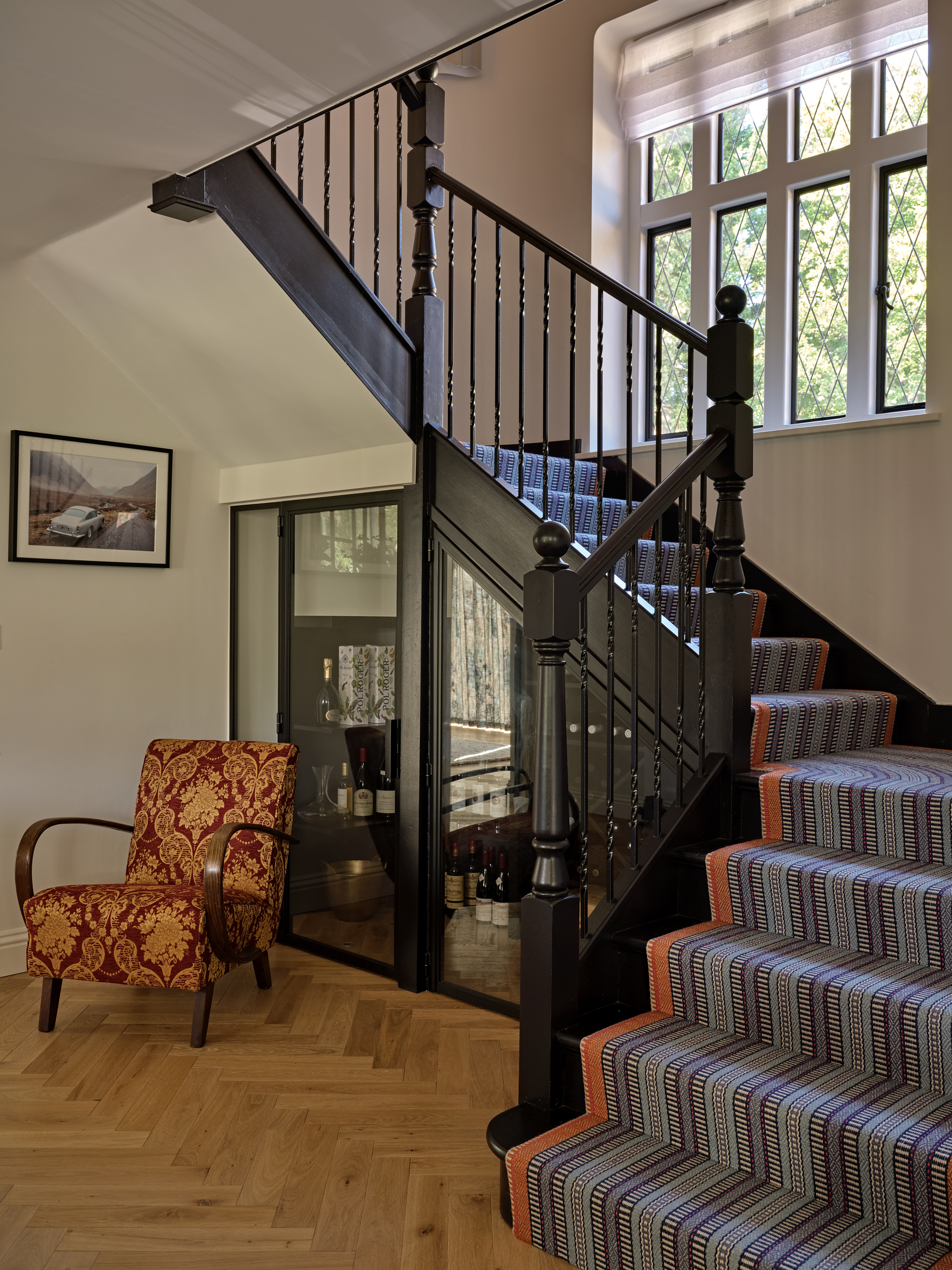
Under-stair voids are full of potential. Either we introduced deep pull-out drawers on castors for shoes, dog leads, sports equipment — all hidden behind pared-back panelling. Or we turn the space into a little usable haven such as a reading nook or a beautiful wine room.
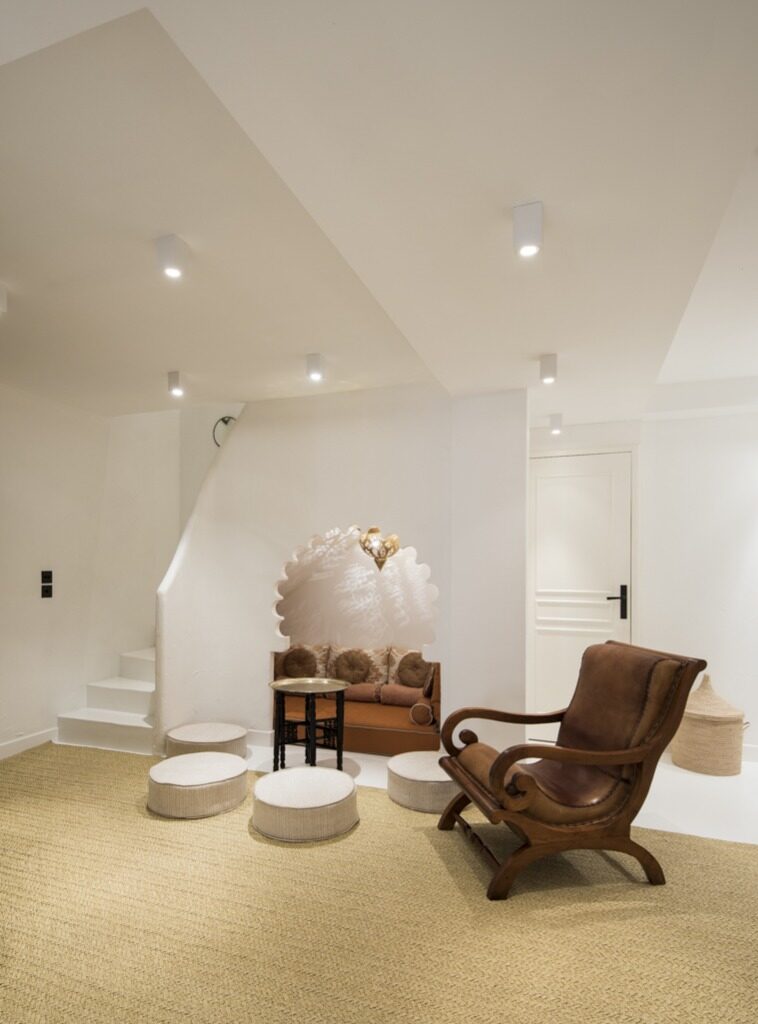
Individually, these choices may appear understated — a mirror repositioned, a more refined table profile, a nuanced adjustment of lighting or storage — yet collectively they redefine the entire narrative of a room. It is through these precise, intelligent architectural decisions that a space transitions from constrained to curated, from overlooked to inviting, from a mere afterthought to a room imbued with purpose, elegance, and quiet beauty.
5.Texture, Pattern, Colour: The Emotional Layers
A small room stripped back will always feel small. Minimalism, when misapplied to compact spaces, can emphasise their limitations rather than disguise them. But a small room richly layered with texture, pattern, colour and thoughtful detail will feel intimate, immersive, and utterly extraordinary. This is where design becomes storytelling.
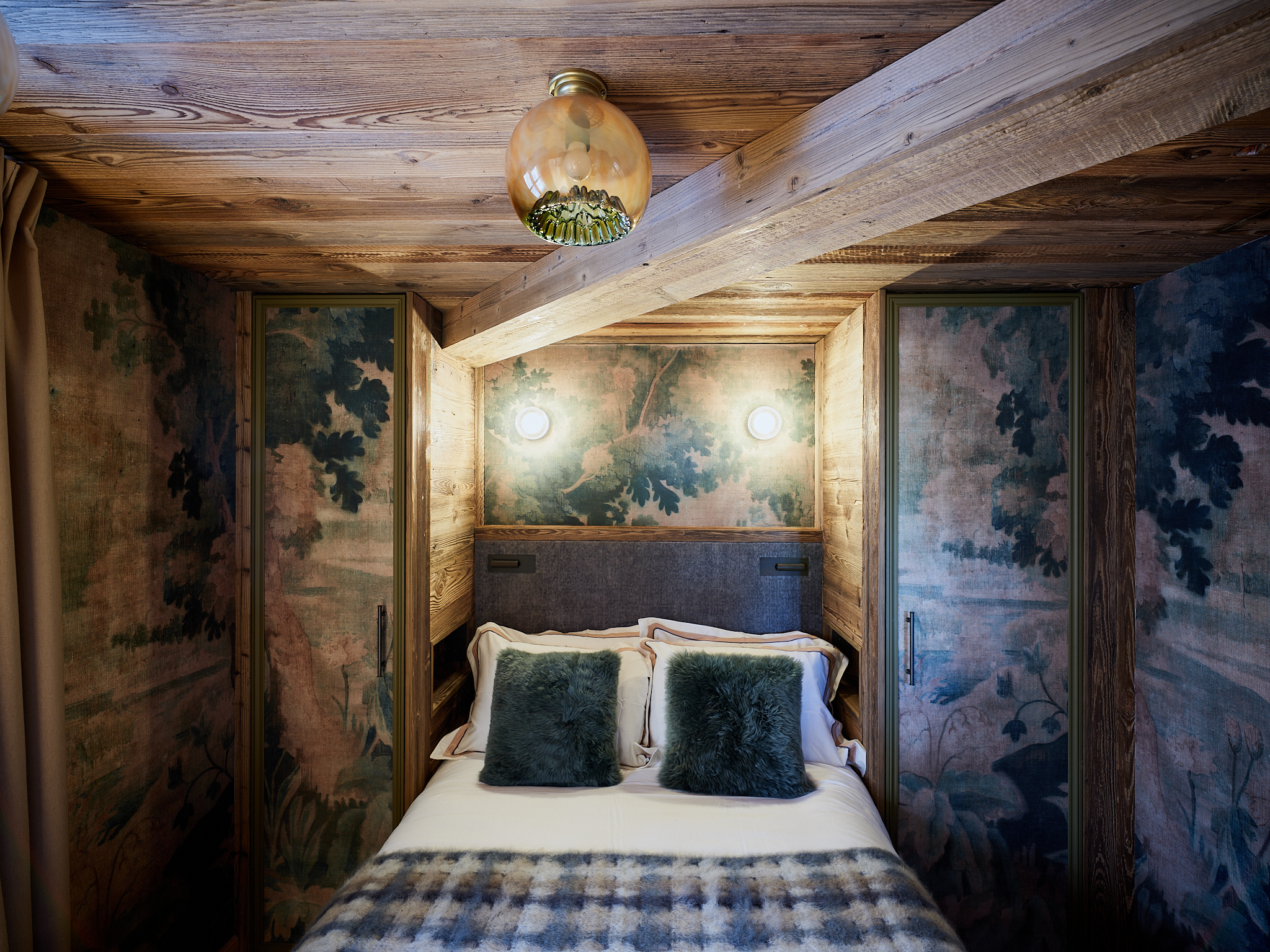
Bold wallpaper will transform a forgotten room into a jewel box. We used a deep emerald chinoiserie print in a narrow chalet bedroom; the moment the paper went up, the room shifted from “tight” to “enchanted.” Guests say its their favourite room , it feels like a hidden world within the house.
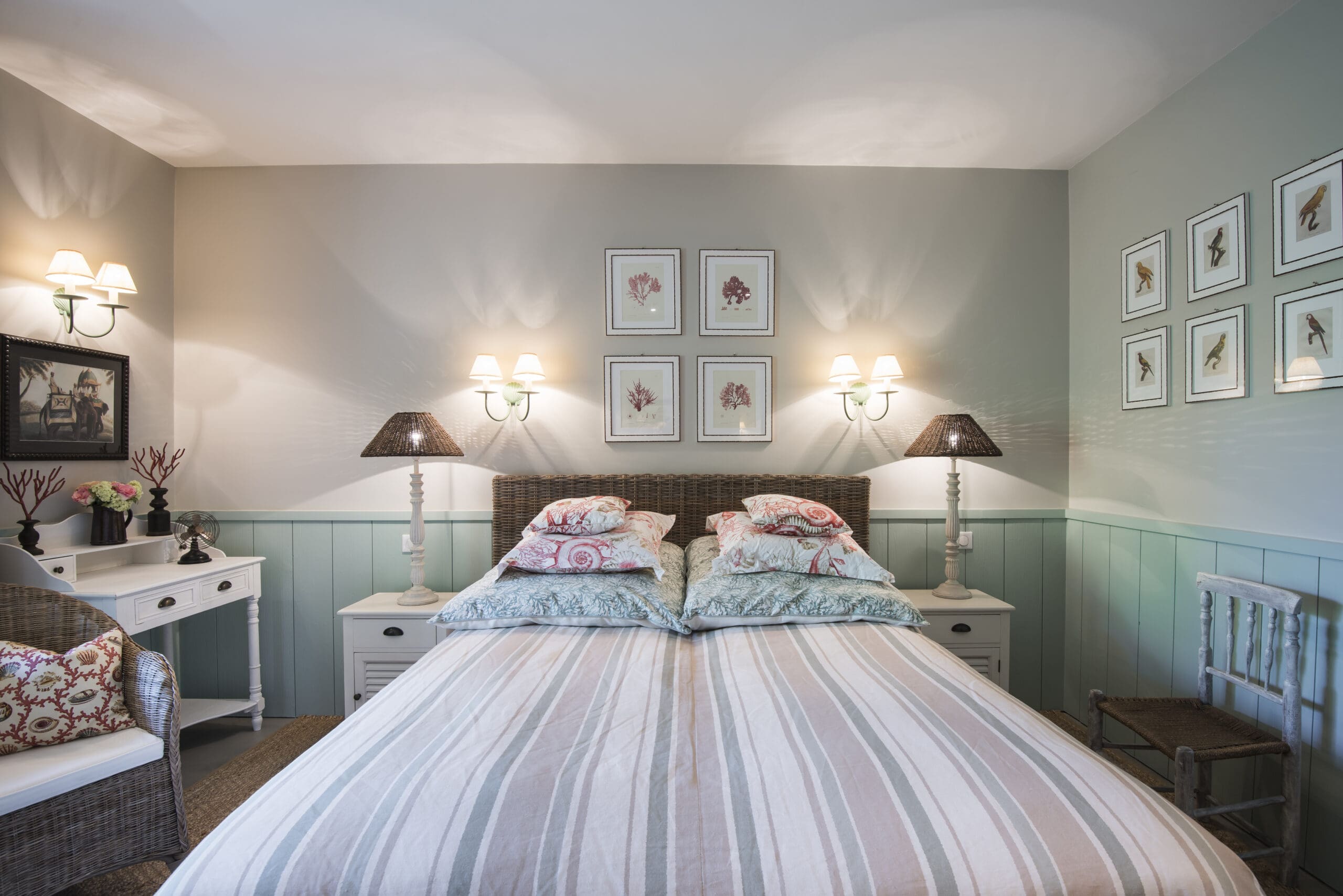
Textured grasscloth adds quiet luxury and softens acoustics, making even a tiny reading nook feel cocoon-like and serene. In coastal homes, I often use woven natural fibres to bring warmth and depth to smaller guest suites — it grounds the space without overwhelming it. Slatted timber or panelled walls, both in alpine and coastal settings, will create architectural rhythm where none existed. The bedrooms in one of our beach surf style projects each have vertical timber slats as panelling. The rooms feel richer and taller, calmer, more intentional. Its also very durable and practical as a wall finish.
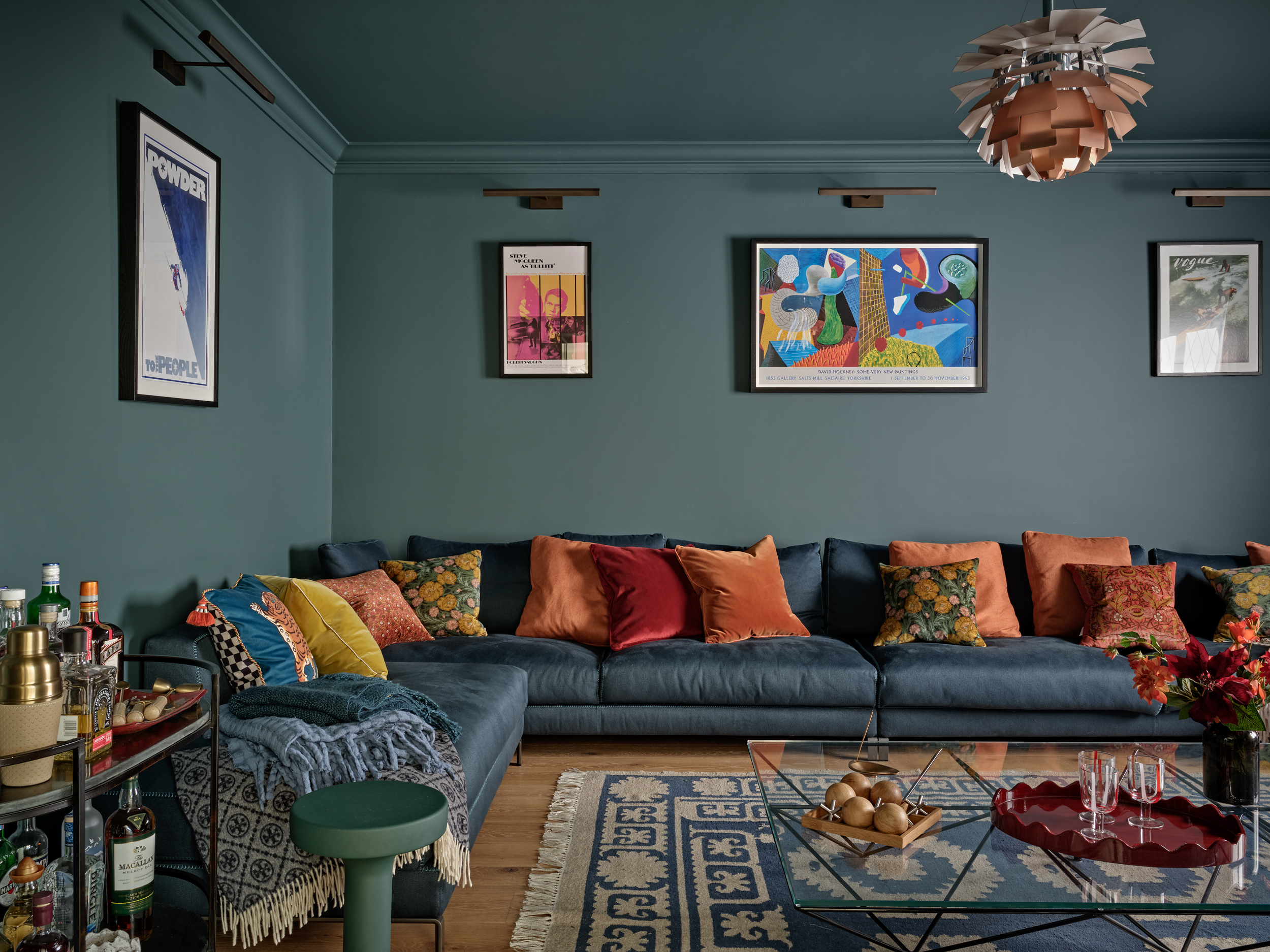
Lacquered ceilings, high gloss or subtly polished bring unexpected glamour to compact spaces. A gloss-painted navy ceiling in a London dressing room reflected light like still water, making the room shimmer rather than shrink. Colour drenching, where walls, ceilings, trims and even built-in furniture are painted in a single hue, creates a wonderfully enveloping world. It removes visual interruptions, allowing the eye to rest, and gives the illusion of depth. A client once requested a “small but beautiful cocoon” for meditation — we drenched the entire space in a warm terracotta, and the effect was transformative: grounding, soothing, and blissfully cohesive. In this family den all surfaces are drenched in petrol blue, including the large sofas.
And then there is art. Oversized art in a small room? Always yes. A large piece of art asserts confidence. It tells the viewer the room is not apologising for its size — it is celebrating its identity. I recommend hanging a large artwork above a petite sofa in the small sitting room. It will make the room curated, considered, almost gallery-like. Small rooms don’t need to feel bigger. They need to feel intentional, layered, and memorable. This is the secret to transforming “small” into spectacular.
6. Small Spaces Hold Big Emotions
My own small movie room at home once felt tight and underwhelming. Today, after thoughtful planning, it’s our family’s evening sanctuary. Two walls are covered with chocolate brown joinery and the rest is filled with matching fabric wallcovering featuring a wall of Hollywood stars, the ceiling and all woodwork is gloss painted to match. Cosy, intimate, spacious enough for six people, mohair blankets, sheekskin beanbags and a minibar. Our deep and comfortable sofa is in fact a pull out sofabed- this is my daughters’ favourite place to hold sleepovers (and movie marathons including the compulsory midnight feast).
This transformation taught me something vital: Abandoned rooms aren’t problems — they’re invitations to dream differently, to rethink how you live, to create moments and memories you didn’t have space for before.
And in every home — from the city townhouse to the slopeside chalet to the laid-back beach house — these forgotten corners can become the most cherished spaces of all.
Stay inspired, stay sophisticated